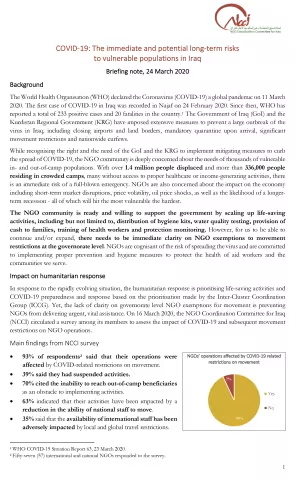
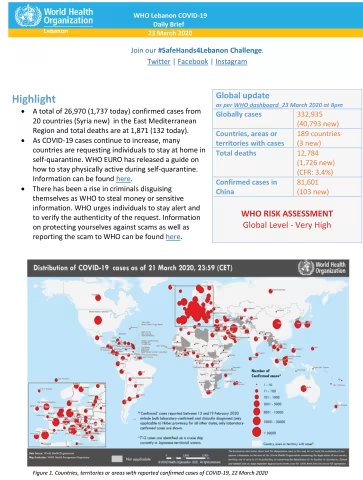
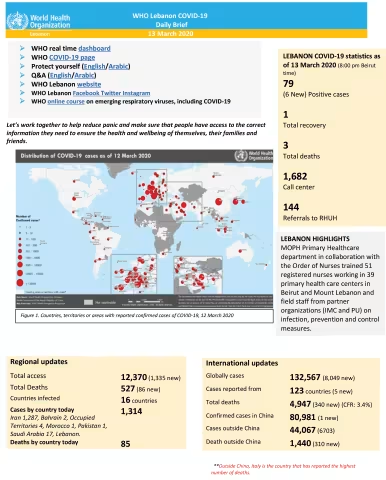
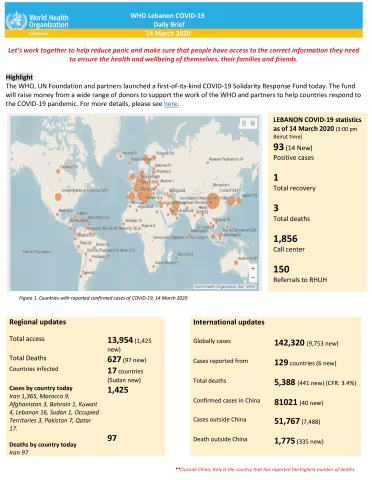
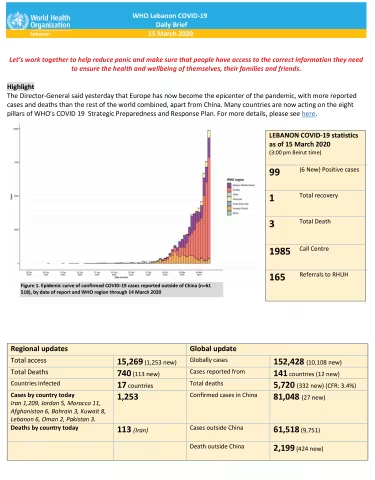
The World Health Organisation (WHO) declared the Coronavirus (COVID-19) a global pandemic on 11 March 2020. The first case of COVID-19 in Iraq was recorded in Najaf on 24 February 2020. Since then, WHO has reported a total of 233 positive cases and 20 fatalities in the country.1 The Government of Iraq (GoI) and the Kurdistan Regional Government (KRG) have imposed extensive measures to prevent a large outbreak of the virus in Iraq, including closing airports and land borders, mandatory quarantine upon arrival, significant movement restrictions and nationwide curfews.
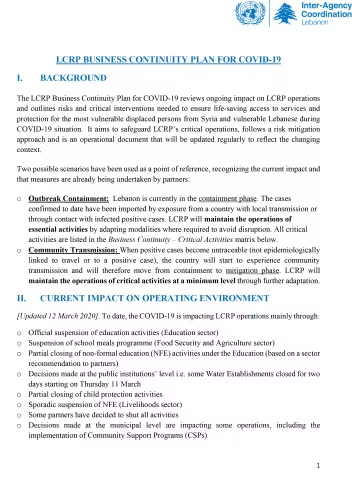
The LCRP Business Continuity Plan for COVID-19 reviews ongoing impact on LCRP operations and outlines risks and critical interventions needed to ensure life-saving access to services and protection for the most vulnerable displaced persons from Syria and vulnerable Lebanese during COVID-19 situation.
This briefing note summarizes key mental health and psychosocial support (MHPSS) considerations in relation to the
2019 novel coronavirus (COVID-19) outbreak. The brief was last updated February 2020.
People affected by humanitarian crises, particularly those displaced and/or living in camps and camp-like settings,
are often faced with specific challenges and vulnerabilities that must be taken into consideration when planning for
readiness and response operations for the COVID-19 outbreak ..
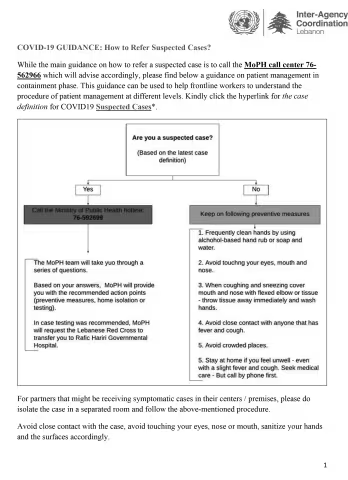
While the main guidance on how to refer a suspected case is to call the MoPH call center 76-562966 which will advise accordingly, please find below a guidance on patient management in containment phase.
Coronaviruses are a large family of respiratory viruses that cause diseases ranging from the common cold to the more
severe diseases such as Severe Acute Respiratory Syndrome (SARS).