Learn2Volunteer is a free multilingual e-learning and mentoring platform designed to strengthen the skills, knowledge, and engagement of young volunteers. The platform provides interactive online courses, mentoring opportunities, digital badges, and certificates that support volunteers throughout their learning and volunteering journey. It covers topics such as leadership, communication, project management, fundraising, digital literacy, active citizenship, volunteering, and community engagement. Developed through a collaboration of organizations from Greece, Italy, Türkiye, Lebanon, Jordan...
This issue of Tatimma focuses on the question of civil rights and liberties in Lebanon. Whilst it is usually considered that civil freedoms in Lebanon are light-years ahead of other Arab countries. Yet this state of liberties appears to be more a facade for a discriminatory system which limits the liberties of Lebanese citizens, specifically Lebanese women, refugees, foreign workers to name a few.
This book is part of a project which published three books: "TOT Citizenship Handbook" and the theoretical section from "Citizenship Handbook" in Arabic and English, issued by “bait elmouwaten” for Publishing and Distribution, and with the support of the Dutch organization “HIVOS”.
هذا الدليل هو جزء من مشروع تم خلاله نشر ثلاث كتب: دليل المواطنة باللغتين العربية و الإنجليزية و دليل عمل الورش التدريبية حول المواطنة، ولقد صدرت عن دار “بيت المواطن“ للنشر والتوزيع، وبدعم من مؤسسة Hivos الهولندية.
يهدف هذا الدليل إلى تزويد القادة المحليين بمقترحات عملية وشاملة لتعزيز جهودهم في مجال الوقاية من النزاعات في السياق المحلي. يتوجه هذا الدليل إلى الأفراد الذين يضطلعون بدور هام في مجتمعاتهم المحلية علمًا أن القادة المحليين قادرين على لعب دور إيجابي في الحفاظ على العلاقات الودية ما بين المجموعات المختلفة. قد يشمل هؤلاء المحافظين والمخاتير والقادة الروحيين المحليين وأعضاء الأحزاب والكبار في السن ووجهاء العائلات والمؤرخين والصحافيين وأساتذة المدارس ورؤساء المدارس وأي شخصية تحظى باحترام الآخرين. لا يحتاج هؤلاء بالضرورة أن يكونوا من كبار المسؤولين الحكوميين أو السياسيين أو المراجع الدينية أو رواد...
This guide is intended to provide local actors with practical and comprehensive suggestions for enhancing their efforts in violence prevention in the local context. It is designed for people involved locally in their communities. Local leaders can have a positive role in maintaining cordial inter-group relationships. They can be mayors, mukhtars, local religious leaders, party members, elders, family leaders, historians, journalists, school teachers, and school headmasters—virtually anyone who is respected by others. People need not be high-ranking government officials, politicians, religious...
مضمون العدد
افتتاحية، تعريف عن جمعية من جمعيات الحملة، الاصلاحات بالارقام(نسب وارقام عن بعض الاصلاحات في بلدان العالم) نشاطات الحملة المتفرقة والمركزية
مضمون العدد
افتتاحية،جمعية من اعضاء الحملة،تحقيق حول اقتراع غير المقيمين،رأي بالاصلاح مع النائبين عمّار حوري وعلي حسن خليل،اليوم الوطني للاصلاح الانتخابي،مستقبل عمل الحملة ومنشوراتها
مضمون النشرة
افتتاحية، مؤتمر اطلاق الحملة، رأي بالاصلاح مع النائب انظوان زهرا والنائب ابراهيم كنعان،، ما هي الخيئة المستقلة المنظمة للانتخابات، نشاطات الحملة
مضمون النشرة
افتتاحية، تعريف عن جمعية من جمعيات الحملة، تحقيق حول النظام النسبي وايجابياته، رأي بالاصلاح مع النائبين علي فياض وغازي العريضي، نشاطات الحملة في المناطق وبيروت
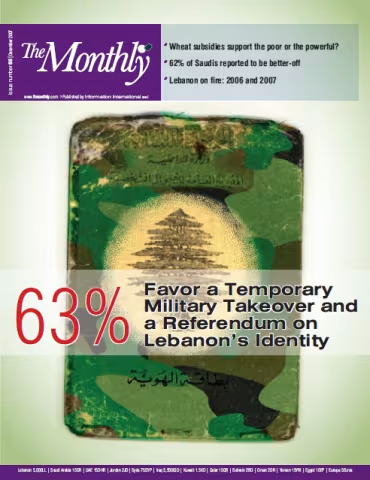
Events and experiences over the past years have confirmed that Lebanon is not a "country" in the legal and political context of the term but an "agreement" between 18 confessions to live on one land and find an appropriate framework (the state) to deal with their differences.
The Lebanese people are divided behind their zu'ama (leaders), who always disagree over national and critical matters in order to protect their status and interests.
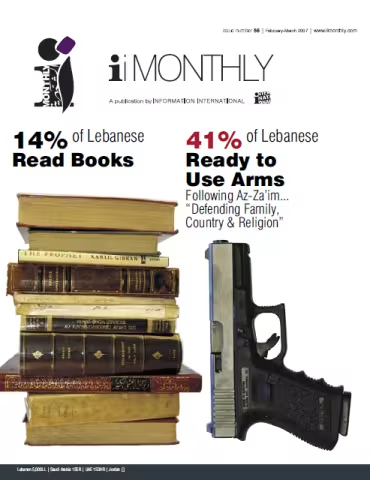
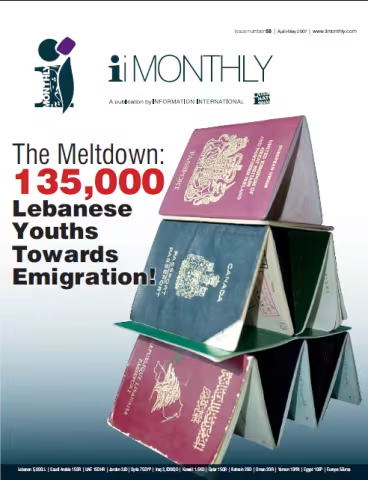
In the previous issue, Information International surveyed the opinion of the Lebanes on various issues, namely their political belonging, their position toward Hizbullah's arms and rearmament of political parties, their most preferred candidates for presidency and premiership,
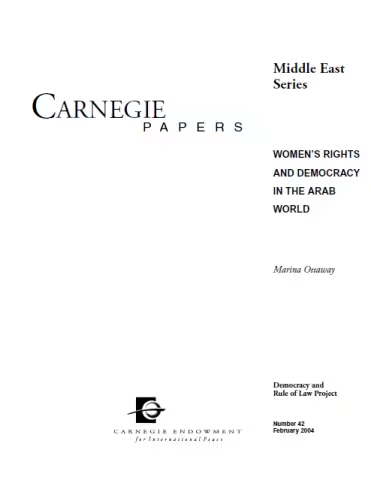
The popularity of the women’s rights cause and its obvious intrinsic merit have unfortunately generated many facile assumptions and much confusion about the conditions of women in the Middle East and the problems they face