Although Lebanon is known in the Middle East for its relative political openness and for the degree of freedom Lebanese women enjoy, it paradoxically has one of the lowest rates of women’s political engagement in the region.
This publication is a compilation of reports prepared by group of civil society organizations in light of the review of Lebanon under the first-cycle of Universal Periodic Review(2010).
#3 مذكرات للباحثين و صناع القرار
بامكان الشباب أن يصبحوا قادة لهم تأثير في لبنان(CRS) خدمات الإغاثة الكاثوليكية
تعكس إمكانية تعبئة الشباب اللبناني بسهولة نسبية الديناميكية العالية والنشاط الذي تتسم به مجتمعاتهم. وتقدر نسبة الشباب الذين أفادوا بأنهم يقومون بعمل طوعي بحوالي النصف، غالبيتهم ممن ّ يقومون بأعمال تطوعية على الاقل مرة كل شهر. ولكن نشاطاتهم تعكس محيطهم المسيس والمتغير دائماً ّ، والمليء بالاحتقان في الكثير من الاحيان؛ مما يشكل فرصة وتحدي في الوقت ذاته
IFI Research and Policy Memo #3 | September 2009
Youth Can Become Effective Leaders in LebanonCatholic Relief Services (CRS)
Reflecting the dynamism and energy of their society, youth in Lebanon are easily mobilized. About half of Lebanese youth say they volunteer, and a majority of them do so at least monthly. Yet their activity reflects the politicized, evolving, often tense nature of their context. This creates both an opportunity and a challenge.
More often than not in Lebanon’s divisive context, this youth activism is through political parties or politically affiliated groups and these...
The starting point for the present Report is that, since the publication of the first volume in the series, the region’s human development fault lines have grown more complex, and in some cases deepened.
أنجزت الدكتورة فهميّة شرف الدين هذه الدراسة الميدانية التحليليّة، بالتعاون مع برنامج اللأمم المتحدة الإنمائي(مشروع حقوق المر أة اللبنانية وقانون الجنسية) واللجنة الاهلية لمتابعة قضايا المرأة، في 2009.
مذكرات للباحثين و صناع القرار#2 | كانون الثاني 2009
بإمكان القطاع العام أن يخفف من العوامل التي تسبب هجرة الشبابجاد شعبان
يفضل الشباب، ذكوراً وإناثاً، مغادرة لبنان بشكل مؤقت أو نهائي للعمل خارجاً ّ ، مما يقلص من الثروة البشرية والمجتمعية للبلد. وبما أن العوامل الخارجية التي تجذب الشباب للهجرة لا يمكن تغييرها، فإن الحمل يبقى على ّ كاهل المؤسسات الرسمية لتحد من العوامل الداخلية التي تدفع بالشباب للهجرة.
ويضيق الهرم السكاني في لبنان عند فئة الشباب من عمر 20-35، بحسب الباحث والخبير الاقتصادي جاد شعبان، المهتم أيضا بقضايا الشباب فيالعالم العربي.
كما أن معظم من يهاجرون من الشباب إلى أميركا...
Research and Policy Memo #2 | January 2009
Public Sector Can Reduce Push Factors that Drive Youth Emigration Jad Chaaban
Young men and women prefer to leave Lebanon either temporarily or permanently to work abroad, leading to a decline in the country’s human capital and welfare. While the factors that attract youth abroad cannot be altered, the onus rests on public institutions in Lebanon to reduce the internal “push” factors that drive youth away.
“The Lebanese population’s age pyramid shows a shrinking trend in the 20-35 age categories,” said Jad Chaaban, a leading economist and researcher...
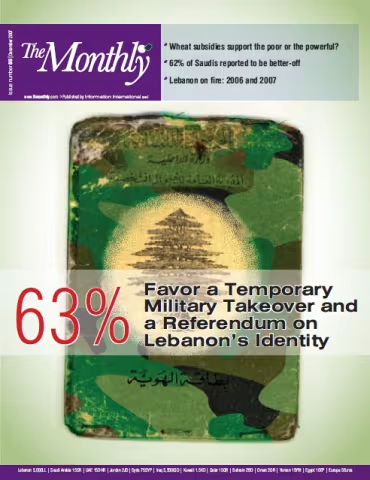
Events and experiences over the past years have confirmed that Lebanon is not a "country" in the legal and political context of the term but an "agreement" between 18 confessions to live on one land and find an appropriate framework (the state) to deal with their differences.
The Lebanese people are divided behind their zu'ama (leaders), who always disagree over national and critical matters in order to protect their status and interests.
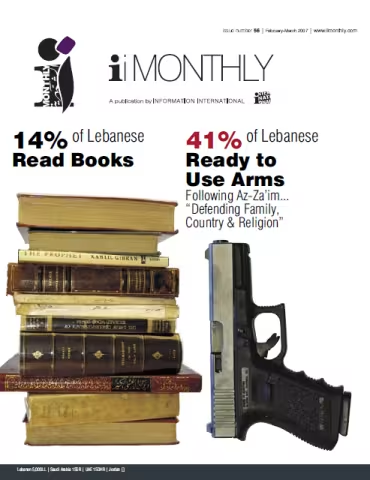
In the previous issue, Information International surveyed the opinion of the Lebanes on various issues, namely their political belonging, their position toward Hizbullah's arms and rearmament of political parties, their most preferred candidates for presidency and premiership,
A detailed report on ANND’s participation in this forum that covered the issues of neoliberal globalization and human development, women’s rights, geopolitical changes, democracy and public freedoms, cultural dimensions, environment and sustainable development, migration and t
The popularity of the women’s rights cause and its obvious intrinsic merit have unfortunately generated many facile assumptions and much confusion about the conditions of women in the Middle East and the problems they face