دليل.فيلم هو مصدر مفتوح من تصميم بيروت دي سي وشركائها، يهدف إلى مساعدة صنّاع الأفلام العرب على إنتاج أفلام تصل إلى الجماهير على امتداد المدن العربية والعالم وتكون مراعية لمعايير الحفاظ على البيئة
daleel.film is the guide of guides: an open resource made by Beirut DC and partners to help Arab filmmakers make great socially and environmentally engaged films that reach audiences in every Arab city and the world
This Gender Manual is a practical guide for civil society organisations in Lebanon that wish to enhance gender equity in their practices and policies. Far from being exhaustive, this manual contains practical guidelines that can help to both gain a better understanding of gender-sensitive topics, as well as to integrate and implement them in internal processes, action plans, and organisational structures and policies. It is informed by the findings of a series of meetings and consultations with various stakeholders engaged in gender issues. It is worth noting, however, that the guidelines...
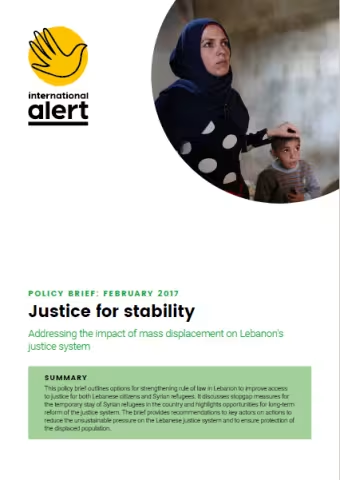
This policy brief outlines options for strengthening rule of law in Lebanon to improve access to justice for both Lebanese citizens and Syrian refugees.
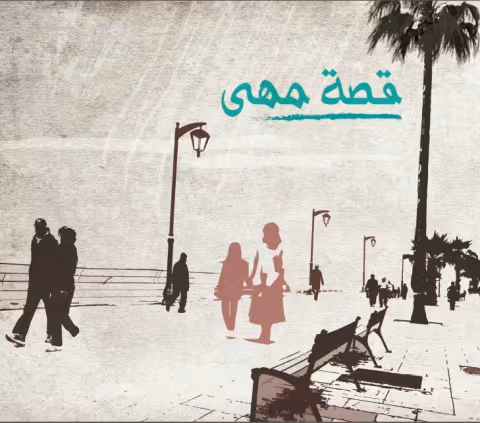
أصدرت مؤسسة أبعاد الكتيّب المصوّر "قصة مهى" وذلك بالشراكة مع الهيئة الطبية الدولية. يُشكل هذا الكتيّب المصور مورداً يوفّر للأسر السوريّة المقيمة على الأراضي اللبنانية بعض المعلومات القانونيّة حول المواضيع الأساسيّة المتعلقة بقضايا الحماية من العنف الموجّه ضد النساء والفتيات سيما العنف الجنسي بصورة مبسطة.
للحصول على نسخة من الكتيّب الرجاء الإتصال بأبعاد (01/283820) أو الضغط على الرابط التالي http://abaadmena.org/userfiles/file/Resources/Story_of_Maha_Legal_Photo_...
Advocacy aims at creating or changing policies, laws, regulations, distribution of resources or other decisions that affect people’s lives and to ensure that such decisions lead to implementation. Such advocacy is generally directed at policy makers including politicians, government officials and public servants, but also private sector leaders whose decisions impact upon people’s lives, as well as those whose opinions and actions influence policy makers, such as journalists and the media. Advocacy proved to be integral part for organizations (CSO's) working on ending violence against women in...
Advocacy aims at creating or changing policies, laws, regulations, distribution of resources or other decisions that affect people’s lives and to ensure that such decisions lead to implementation. Such advocacy is generally directed at policy makers including politicians, government officials and public servants, but also private sector leaders whose decisions impact upon people’s lives, as well as those whose opinions and actions influence policy makers, such as journalists and the media. Advocacy proved to be integral part for organizations (CSO's) working on ending violence against women in...
Advocacy aims at creating or changing policies, laws, regulations, distribution of resources or other decisions that affect people’s lives and to ensure that such decisions lead to implementation. Such advocacy is generally directed at policy makers including politicians, government officials and public servants, but also private sector leaders whose decisions impact upon people’s lives, as well as those whose opinions and actions influence policy makers, such as journalists and the media. Advocacy proved to be integral part for organizations (CSO's) working on ending violence against women in...
Advocacy aims at creating or changing policies, laws, regulations, distribution of resources or other decisions that affect people’s lives and to ensure that such decisions lead to implementation. Such advocacy is generally directed at policy makers including politicians, government officials and public servants, but also private sector leaders whose decisions impact upon people’s lives, as well as those whose opinions and actions influence policy makers, such as journalists and the media. Advocacy proved to be integral part for organizations (CSO's) working on ending violence against women in...
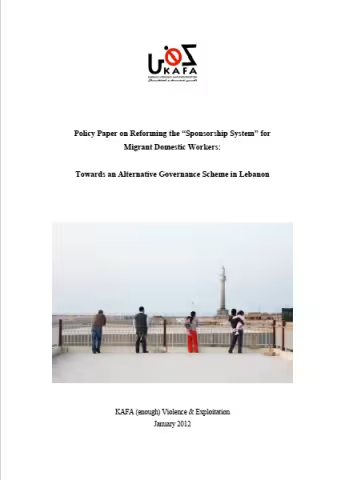
In recent years, the “sponsorship system” (kafala) in Lebanon and in other countries in the region has been identified as a core problem leading to the exploitation and abuse of migrant domestic workers.