تجاوز إلى المحتوى الرئيسي

موارد

Theme
Displaying 21 - 40 of 186
National
Publishing Date
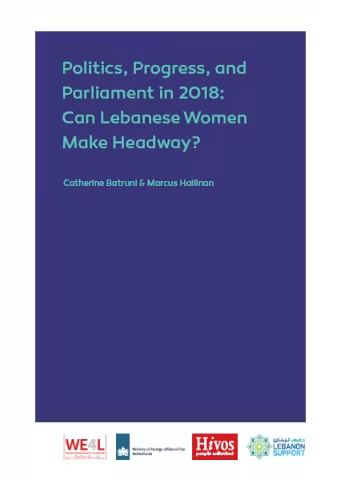
Lebanon may witness a remarkable rise in the number of women serving in Parliament come May 2018 due to initiatives from women’s groups, “civil society” activists, and the substantial number of female candidates – 113 at the start of the election period. However, as this briefing paper shows, Lebanese women continue to face numerous challenges in entering government. The new electoral law passed in June 2017 does not provide women with equal opportunity to be elected, and it is yet to be seen whether it will increase female representation in Parliament. Nevertheless, the historic number of...
National
Publishing Date

Working Paper | February 2014
The Dilemma of Human Rights In Lebanese Electoral Laws by Elie Al-Hindy
This study concludes with a number of recommendations with respect to the issues that need to be introduced to the debate and that can strengthen advocacy efforts by the different stakeholders involved. Reflecting on all of the above, and in light of the current political realities in Lebanon, including present sectarian demographics and political structure, the study concludes that the standards imposed on the new electoral law is impossible to meet, as no law, which this study has reviewed...

National
Publishing Date
More than a decade after the United Nations’ adoption of the Convention on the Elimination of All Forms of Discrimination against Women, which is adopted by many countries including Lebanon, these countries returned in 2015 to commit themselves to achieve gender equality and t
International
Publishing Date
This Gender Manual is a practical guide for civil society organisations in Lebanon that wish to enhance gender equity in their practices and policies. Far from being exhaustive, this manual contains practical guidelines that can help to both gain a better understanding of gender-sensitive topics, as well as to integrate and implement them in internal processes, action plans, and organisational structures and policies. It is informed by the findings of a series of meetings and consultations with various stakeholders engaged in gender issues. It is worth noting, however, that the guidelines...
National
Publishing Date

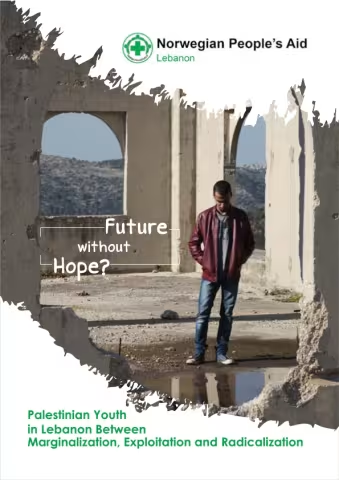
This research study presents the main finding of marginalization and exploitation processes related to Palestinian youth in Lebanon. The study was conducted between 2016-2017 in all over Lebanon including Palestinian camps and gatherings. Quantitative facts about the topic are well documented in the study. The methodology was based on three forms of data collection: desktop review, focus groups and in depth interviews with Palestinian youth and stakeholders.

The research is divided into three main chapters:

‘“No future” for Palestinian youth in Lebanon?’ is the first chapter of the report...

National
Publishing Date
This issue of Tatimma focuses on the question of civil rights and liberties in Lebanon. Whilst it is usually considered that civil freedoms in Lebanon are light-years ahead of other Arab countries. Yet this state of liberties appears to be more a facade for a discriminatory system which limits the liberties of Lebanese citizens, specifically Lebanese women, refugees, foreign workers to name a few.
National
Publishing Date
It is the mothers’ memory during times of war, the wound that will never heal, a memory that is completely unique, just like their pain… a deep memory; as deep as their pride, it is obviously reflected in the wrinkles of their faces and the natures of their voices. This memory will be the core of the project; which is an artistic book containing a short introduction and 30-35 artistic black and white portraits, for Syrian women (mothers necessarily), combined with short stories from their real-life during the last four years. Women do not have to be in Syria today, but they must all express...
National
Publishing Date
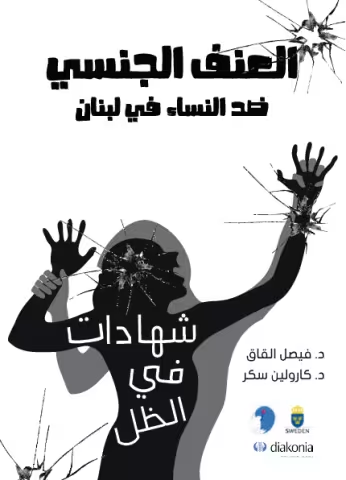
يتطرّق هـذا البحـث إلـى العنـف الجنسـي ضـد النسـاء، مـن خلال تقديـم وتحليـل وقائـع لشـهادات حيـة لــ50 سـيدة عـن العنـف الجنسـي، الـذي مـورس عليهـنّ فـي الظـل بمختلف أشـكاله من طـرف الأفـراد ومـن طـرف المؤسسـات.