A Call to Join Forces: Coordination and complementarity of services for an efficient and cost-effective emergency response in Lebanon
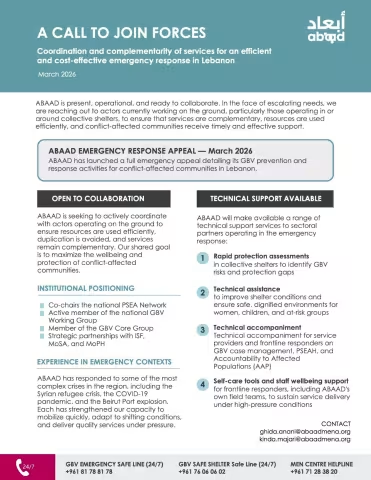
In the face of escalating needs in Lebanon due to the regional armed conflict, ABAAD is reaching out to actors currently working on the ground, particularly those operating in or around collective shelters, to ensure that services are complementary, resources are used efficiently, and conflict-affected communities receive timely and effective support.
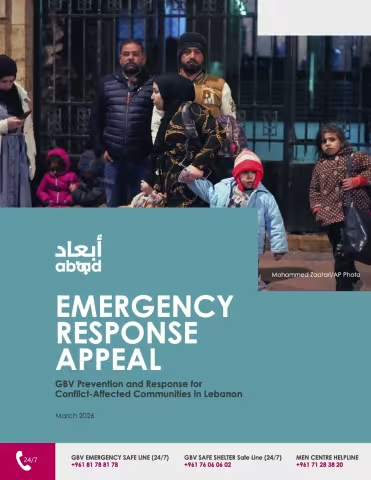
Lebanon is facing the direct consequences of a regional armed conflict that escalated sharply on February 28, 2026. As the conflict spread, strikes on Lebanon resumed and intensified, triggering mass displacement across the country. Civilian casualties are rising, social safety nets are breaking down, and communities are being uprooted in a country where nearly half the population was already living in poverty before this escalation began. ABAAD is launching this emergency appeal to mobilize the resources required to sustain and scale life-saving GBV prevention and response services, ensuring...
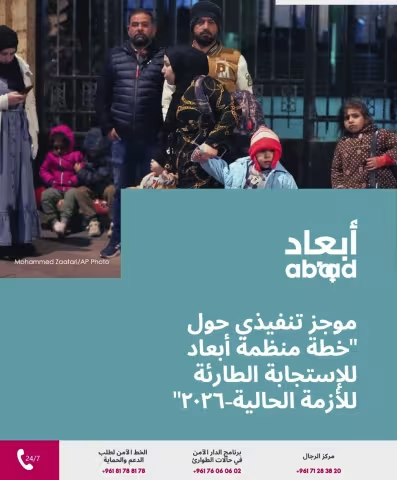
يواجه لبنان تصعيدًا خطيرًا في النزاع الإقليمي منذ 28 شباط 2026، ما أدى إلى تجدّد الضربات واتّساع موجات النزوح وارتفاع أعداد الضحايا، في ظل أوضاع اقتصادية ومعيشيّة هشّة.
وفي ظل الاكتظاظ وتراجع الموارد، تتزايد مخاطر العنف القائم على قسمة الأدوار الاجتماعية، فيما تتقلص خدمات الحماية، ما يترك العديد من الناجيات والناجين من دون دعم كافٍ.
لذلك، تُطلق أبعاد خطة استجابة طارئة لضمان استمرار وتوسيع خدمات الوقاية والاستجابة، بما يضمن وصول الأسر المتضررة، وخصوصًا النساء والفتيات والفئات الأكثر عرضة للمخاطر، إلى خدمات حماية ودعم آمنة وسريعة ومنقذة للحياة
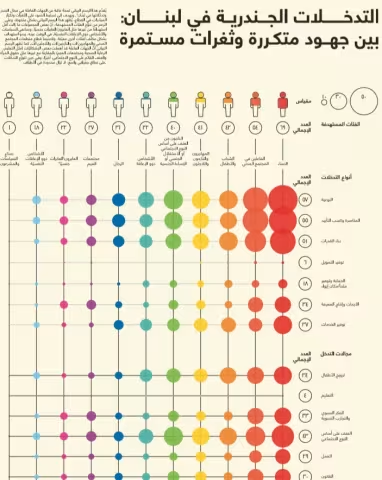
This infographic provides an overview of gender actors and interventions in Lebanon*, and aims to highlight gaps and duplications in the sector.
.يُقدِّم هذا الرسم البياني لمحةً عامّة عن الجهات الفاعلة في مجال الجندر وتدخّلاتها في لبنان*. ويهدف إلى تسليط الضوء على الثغرات وتكرار المبادرات في القطاع
This report attempts to answer current gaps in the literature analysing WPE and WPP donor-funded initiatives in Lebanon, and asks the following question: what explains the current gap between donor-funded WPE and WPP initiatives, and the continued low rates of women’s political participation and overall low political empowerment in Lebanon?
Disability & Vulnerability Focal Point (DVFP) have been developed based on the observation that one of the greatest difficulties following a crisis is not only to identify and to access to vulnerable people including people with disabilities, but also to accompany them wit
The study upon which this article is based analyzes the status of Arab women in general, gender relations in the Middle East, and the situation of Arab women with disabilities, based on available disability statistics from a few selected countries and the author's observations