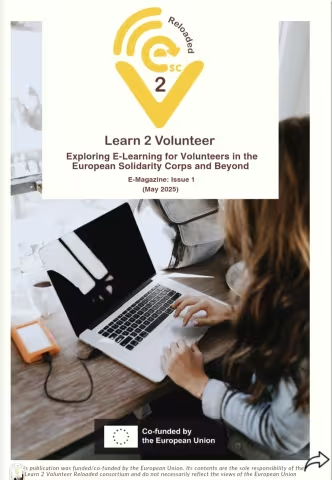
Learn2Volunteer is a free multilingual e-learning and mentoring platform designed to strengthen the skills, knowledge, and engagement of young volunteers. The platform provides interactive online courses, mentoring opportunities, digital badges, and certificates that support volunteers throughout their learning and volunteering journey. It covers topics such as leadership, communication, project management, fundraising, digital literacy, active citizenship, volunteering, and community engagement. Developed through a collaboration of organizations from Greece, Italy, Türkiye, Lebanon, Jordan...
The "Learn2Volunteer reloaded" is a Capacity Building in the Field of Youth project funded by the EU and implemented by:
Solidarity Tracks - Greece
ACARBIO - Italy
Gazi University - Turkey
Support Youth Leaders - Jordan
AVEC - Tunisia
Chabibeh Sporting Club - Lebanon
The project publishes E-Magazines on the topic of volunteering and e-learning specifically related to the European Solidarity Corps program
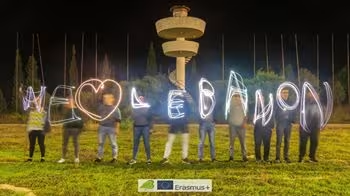
This document is the outcome of a workshop done during the Erasmus Plus training "Influence Youth".
The workshop was about the topic of teamwork, specifically the challenges faced when working with a team of volunteers and how to overcome it.
The participants of the workshop talked about their challenges and possible interventions were shared also by participants based on their experience working in this field.
The document includes the information shared by the participants in this workshop.
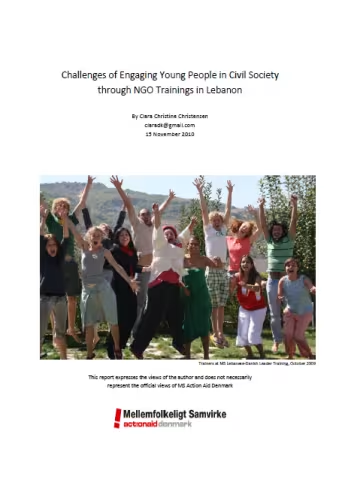
This report constitutes the final publication of the outcomes of the program "Development in Lebanon: Poverty Eradication, Gender Equity and Youth Participation; the Role of NGOs Civil Society and Other Actors".
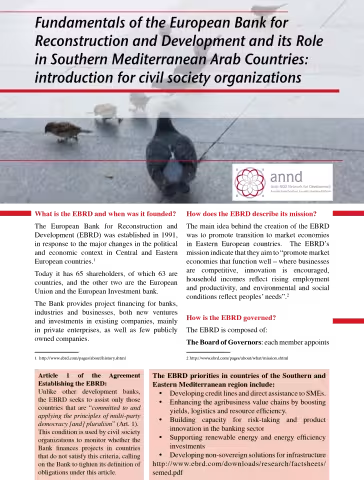
The European Bank for Reconstruction and Development (EBRD) was established in 1991, in response to the major changes in the political and economic context in Central and Eastern European countries.1 Today it has 65 shareholders, of which 63 are countries, and the other two ar
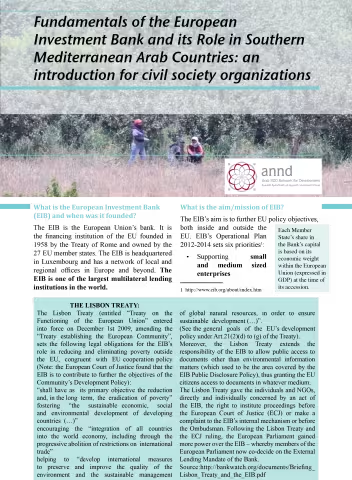
The EIB is the European Union’s bank. It is the financing institution of the EU founded in 1958 by the Treaty of Rome and owned by the 27 EU member states. The EIB is headquartered in Luxembourg and has a network of local and regional offices in Europe and beyond.
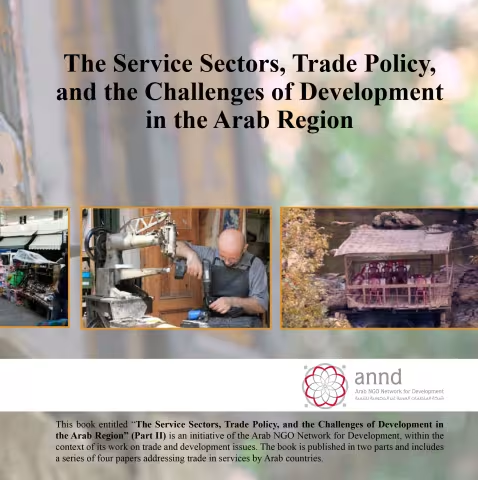
This book entitled “The Service Sectors, Trade Policy, and the Challenges of Development in the Arab Region” (Part II) is an initiative of the Arab NGO Network for Development, within the context of its work on trade and development issues.