We Play for Peace is a handbook produced under the project with the same title highlighting activities and tools that can be adopted by trainers, coaches and facilitators with pre-adolescents and children under arts, sports and recreation.
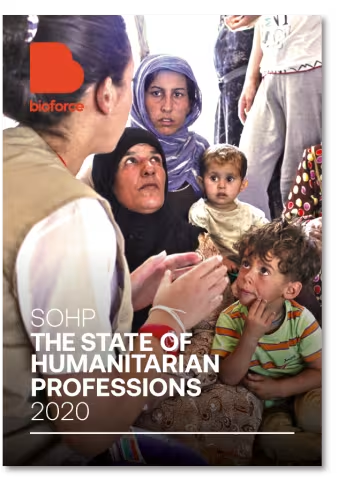
The State of Humanitarian Professions 2020 (SOHP) is the result of a year-long consultation with more than 1,500 humanitarian professionals. For the first time, this study gathers and analyses key figures on 24 humanitarian professions, as well as on recruitment practices and professional development in the sector. In addition, the SOHP study demonstrates the need to coordinate on the challenges of professionalising humanitarian teams, with 19 recommendations to be discovered in the final report.
The toolbox is intended as an open learning resource for youth workers that are engaged in community work with young refugees, asylum seekers and young people with migration background. Specifically: project managers, community leaders, educators, facilitators, social workers, intercultural mediators that are interested to improve their ability in the social inclusion of excluded groups.
The toolbox could also be used in formal settings such as schools, colleges and universities addressing
development challenges as well as for project managers and experts engaged in the design and...
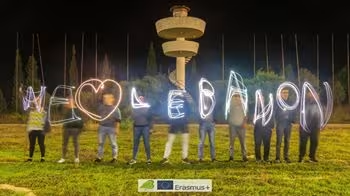
This document is the outcome of a workshop done during the Erasmus Plus training "Influence Youth".
The workshop was about the topic of teamwork, specifically the challenges faced when working with a team of volunteers and how to overcome it.
The participants of the workshop talked about their challenges and possible interventions were shared also by participants based on their experience working in this field.
The document includes the information shared by the participants in this workshop.
More than a decade after the United Nations’ adoption of the Convention on the Elimination of All Forms of Discrimination against Women, which is adopted by many countries including Lebanon, these countries returned in 2015 to commit themselves to achieve gender equality and t
UNFPA on behalf of UNDP and UN Women organized a national workshop on gender-related laws, policies and practices in Lebanon, which was held in Beirut on the 7th and 8th of August, 2018.
This Policy Brief is based on research that explored the process of establishing and implementing Law 293, and on a policy dialogue that took place at the Institute on March 8, 2017 t
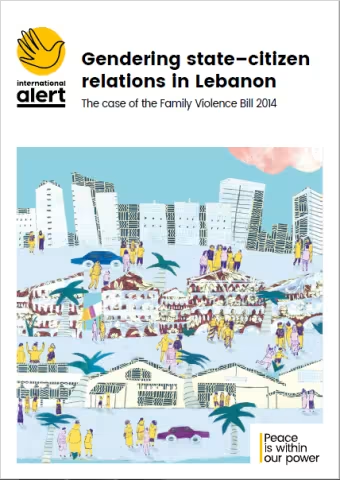
This report examines the nature of interaction and engagement between Lebanese citizens’ collectives and the state on gender-specific matters, through the case study of
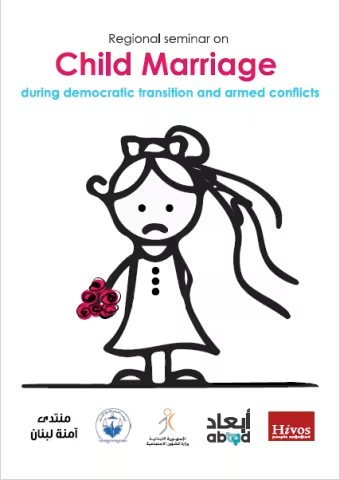
This booklet comprises of the presentations and papers that were presented and discussed during the seminar that was held in Beirut in October 2015, titled “Regional Seminar on Child
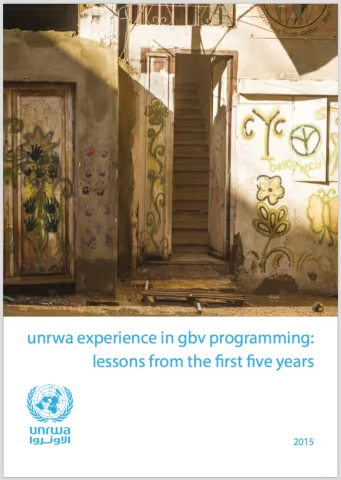
This document provides elements of discussion and pragmatic solutions to challenges in addressing GBV in the context of resistance. It does not provide clear cut answers to all questions, but intends to bring together evidence from UNRWA and results from other agencies.
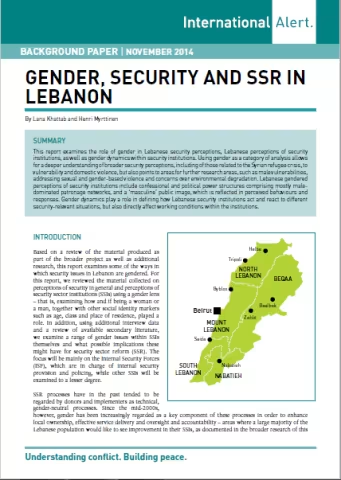
This report examines the role of gender in Lebanese security perceptions, Lebanese perceptions of security institutions, as well as gender dynamics within security institut
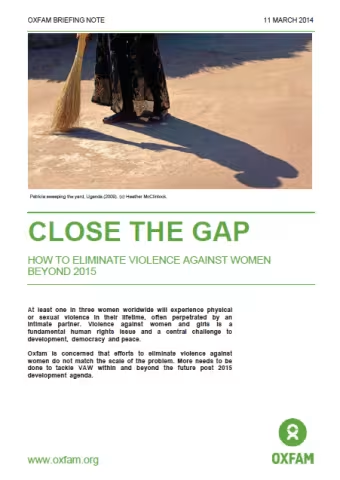
Violence against women is directly linked to the historic discrimination against them. It is an expression of the gendered imbalance of power that has resulted in a gap intensified by the existing legal, social, and cultural institutions.
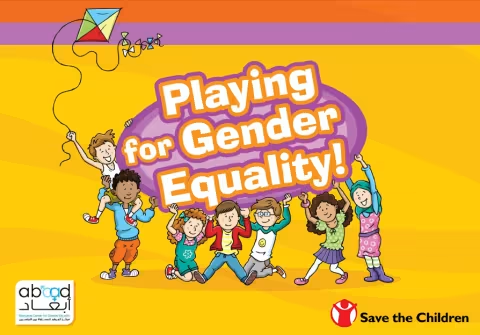
The manual is composed of fun and interactive games for children aged 8 to 12 years old. The games will facilitatethe learning of important concepts and terminology pertaining to Gender Equality. More importantly, during/afterthe games have been played, it allows the trainer the freedom to begin important discussions about the conceptsthat the children learned during the games.
This resource, published by Oxfam in 2013, aims to present standards that were originally developed for Oxfam staff to ensure a consistent approach to promoting gender equality in humanitarian preparedness and response programming.
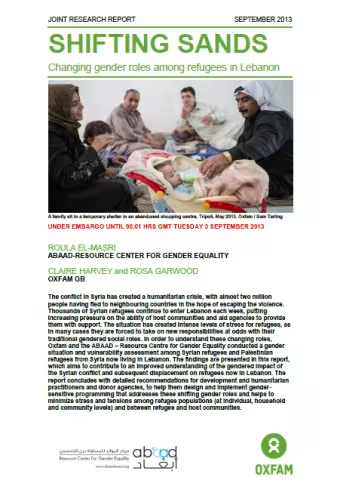
The conflict in Syria has created a humanitarian crisis, with almost two million people having fled to neighbouring countries in the hope of escaping the violence.
Since the unrest in Syria began in March 2011, the Bekaa Valley in Lebanon has hosted varying numbers of displaced Syrian families. Local actors such as municipalities and NGOs registered families for assistance received through regional and international donors.
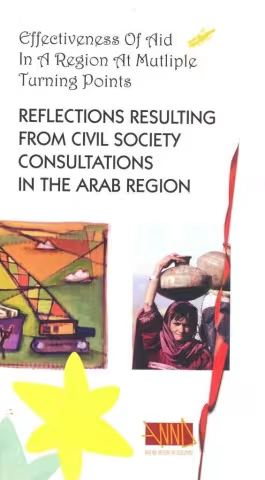
This book tackles key Issues of concern within the aid discussion. It outlines issues of particular importance for civil society in the Arab region and highlights the difference of prospectives between government representatives and CSOs.