يقدم هذا الكتاب، بالنص والصورة، شهادة صادقة عن الكارثة السورية.
في روايات الأمهات المتضمنة في الكتاب ينضح الألم من بين السطور. ومن صورهن تلمع بارقة الأمل بالسلام رغم الحزن المقيم.
ويأتي هذا الكتاب تتويجاً لمشروع استمر لأكثر من سنة قام خلاله عدد من أعضاء الرابطة وأصدقائها بلقاء عشرات الأمهات السوريات على اتساع رقعة تواجدهن في سورية، وفي مخيمات اللاجئين في لبنان، فجمعوا شهاداتهن عن مآسيهن وعذاباتهن خلال سنوات الجحيم الخمس الماضية. كما قاموا بتصوير الأمهات، إلا من اعتذرت عن ذلك لسبب أو آخر.
”أمهات سوريات“، شهادة عن الذاكرة الكليمة والأمل المتسامي على الموت.
This policy brief was developed based on an in-depth report titled “Women’s Political Participation: Exclusion and Reproduction of Social Roles. Case Studies from Lebanon;” in addition to discussions and insights gathered during a consultation workshop held on 8 November 2018, and which marked the participation of women who had taken part of the research, as well as activists, representatives of civil society organisations, and academics.
في إطار النظام السياسي اللبناني الذي يقوم على المحاصصة الطائفية والعائلية السياسية والزبائنية المتمثلة في نظام الزعامة، والذي يعزز من الأبوية القائمة على القرابية، تسعى هذه الدراسة إلى فهم وتحليل مشاركة النساء في مواقع قيادية وقاعدية في أربعة كيانات في لبنان تتضمن حزب سياسي، نقابة، منظمة مجتمع مدني وحركة اجتماعية. تفحص الدراسة الهياكل والبنى المؤسسية لتلك الكيانات ومواقفها من قضايا النساء، والديناميات التي تعتمدها للتفاعل مع محيطها، وذلك من خلال تحليل وثائقها الرسمية، خطابها العام، ممارساتها، وأخيراً تجارب النساء المنتميات لها وما عايشنه من تحديات ضمن هذا الإطار.
بالإضافة إلى هذه التقرير،...
“More than 60% of Syrian refugees households comprise a person with disabilities and 1/5 Syrian refugees has a disability in Lebanon and Jordan”, shows a large study conducted by Humanity & Inclusion (HI) and iMMAP.
Analyzing the Impact on the Personal and Professional Development
of Young Participants at Erasmus Plus/Youth in Action/Euromed projects through “Chabibeh Sporting Club” From 2008 till 2017
Lebanon may witness a remarkable rise in the number of women serving in Parliament come May 2018 due to initiatives from women’s groups, “civil society” activists, and the substantial number of female candidates – 113 at the start of the election period. However, as this briefing paper shows, Lebanese women continue to face numerous challenges in entering government. The new electoral law passed in June 2017 does not provide women with equal opportunity to be elected, and it is yet to be seen whether it will increase female representation in Parliament. Nevertheless, the historic number of...
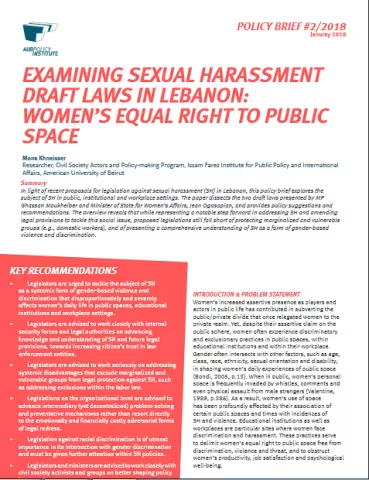
In light of recent proposals for legislation againsts sexual harassment (SH) in Lebanon, this policy brief explores the subject of SH in public, institu
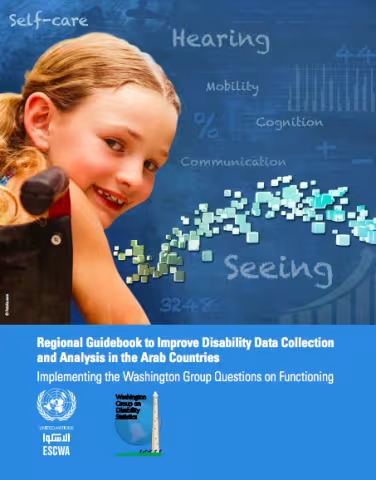
This regional Guidebook explores the different approaches in design, implementation and analysis of disability data collection in the Arab countries, in view of improving the standardization and implementation of the Washington Group Short Set on Functioning and related indica
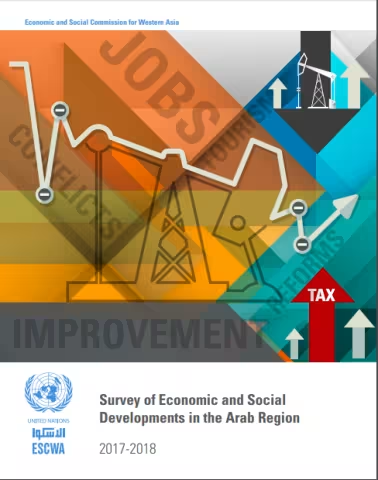
The Arab region continues to manage uncertainties on its path towards an inclusive and sustainable growth trajectory: geopolitical tensions persist, and global interest rates have soared.
This Gender Manual is a practical guide for civil society organisations in Lebanon that wish to enhance gender equity in their practices and policies. Far from being exhaustive, this manual contains practical guidelines that can help to both gain a better understanding of gender-sensitive topics, as well as to integrate and implement them in internal processes, action plans, and organisational structures and policies. It is informed by the findings of a series of meetings and consultations with various stakeholders engaged in gender issues. It is worth noting, however, that the guidelines...
This issue of Tatimma focuses on the question of civil rights and liberties in Lebanon. Whilst it is usually considered that civil freedoms in Lebanon are light-years ahead of other Arab countries. Yet this state of liberties appears to be more a facade for a discriminatory system which limits the liberties of Lebanese citizens, specifically Lebanese women, refugees, foreign workers to name a few.