Findings in the "Analysis on Stunting Among Syrian Refugee Children" showed that risk factors perceived to be contributing to stunting levels among Syrian refugee children included those at the individual and household level with poor maternal nutrition, household food insecurity and inadequate complementary feeding practices as the factors perceived to be contributing the most to stunting among Syrian children. On the other hand, at the institutional and community level, market food prices, poverty, income, employment and livelihoods were the factors perceived to be contributing the most to...
CONCLUSION AND RECOMMENDATIONS
This policy brief examined the complex trajectories and mechanisms of the intervention deployed in the aftermath of the explosion raising questions of fairness and equality to the forefront of the humanitarian regime in Lebanon. Based on results yielded from fieldwork, we recommend the following:
Launching a consortium of CSOs, fourth sector civil society, and government representatives in order to set out a coordination scheme among humanitarian players for future crises. CSOs, fourth sector organizations in collaboration with the Ministry of Social Affairs are...
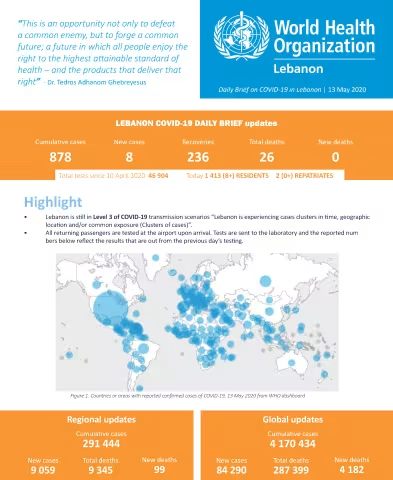
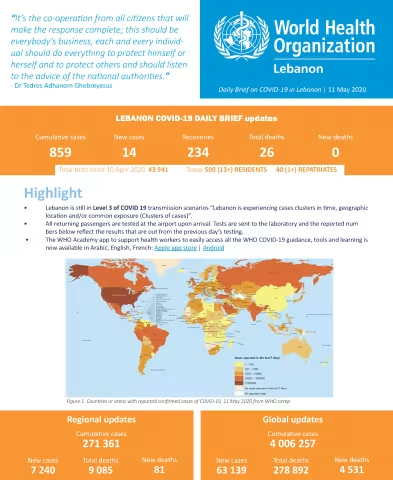
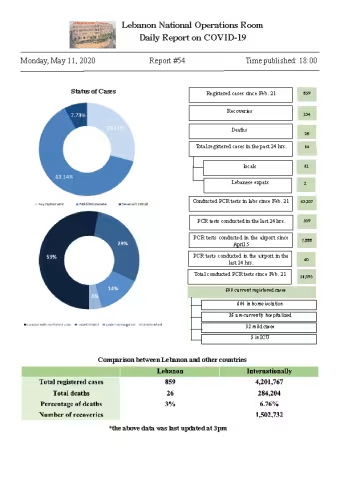
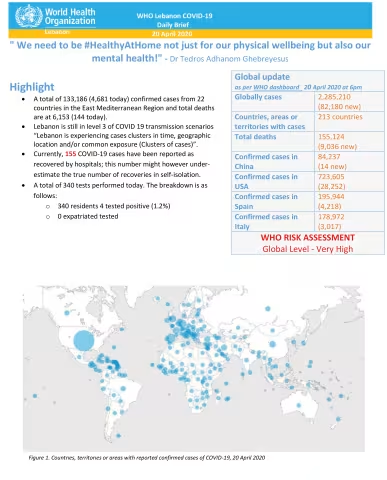
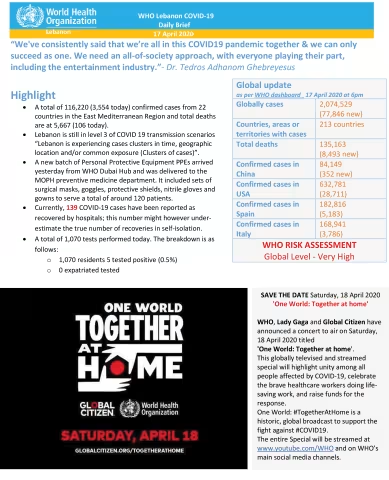
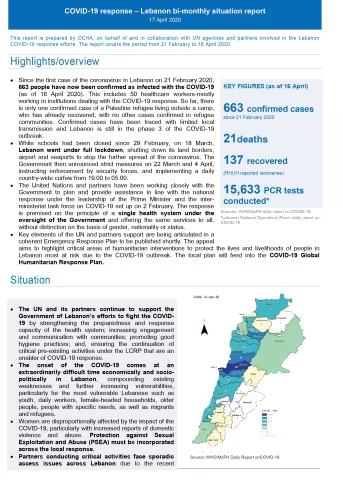
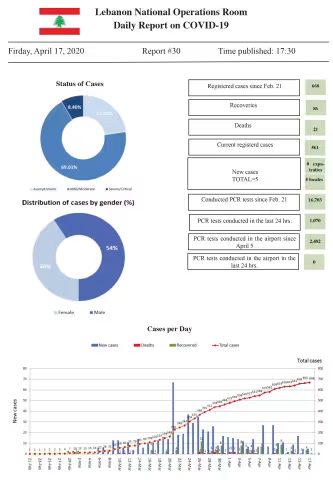
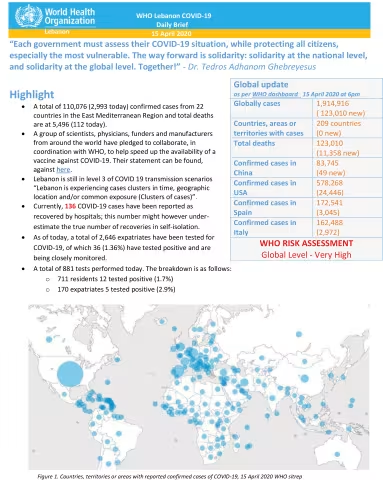
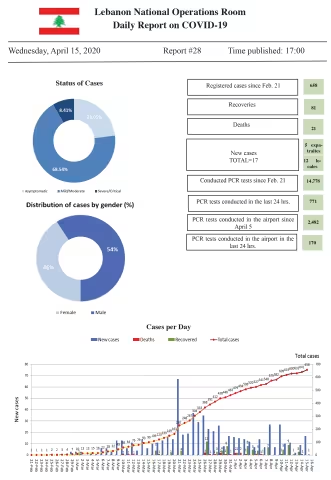
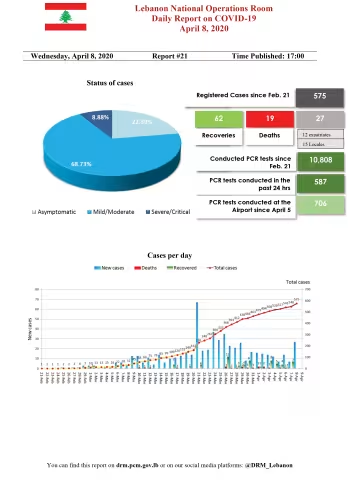
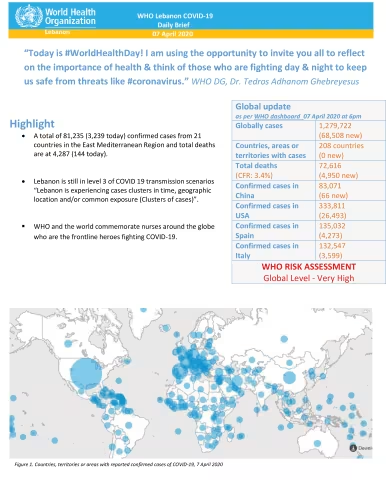
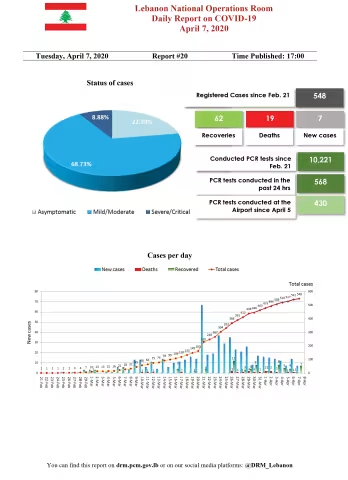
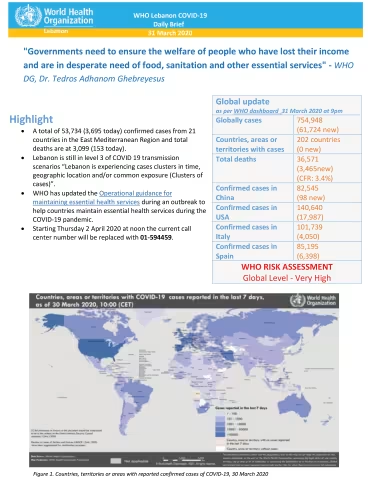
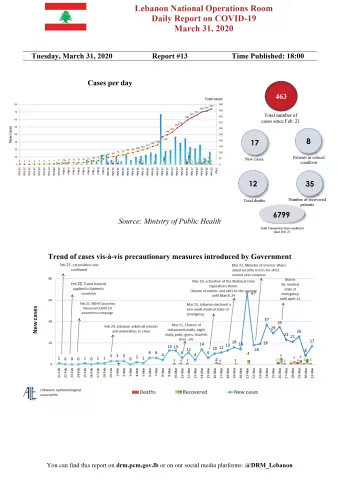
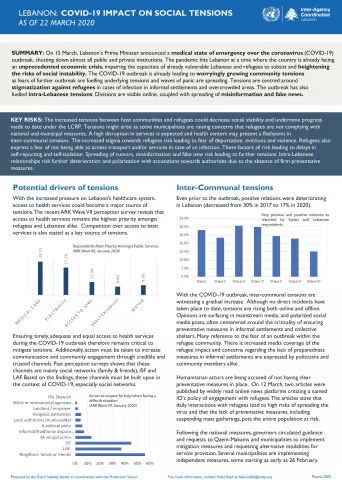
On 15 March, Lebanon’s Prime Minister announced a medical state of emergency over the coronavirus (COVID-19) outbreak, shutting down almost all public and private institutions. The pandemic hits Lebanon at a time where the country is already facing an unprecedented economic crisis, impairing the capacities of already vulnerable Lebanese and refugees to subsist and heightening the risks of social instability. The COVID-19 outbreak is already leading to worryingly growing community tensions as fears of further outbreak are fuelling underlying tensions and waves of panic are spreading. Tensions...