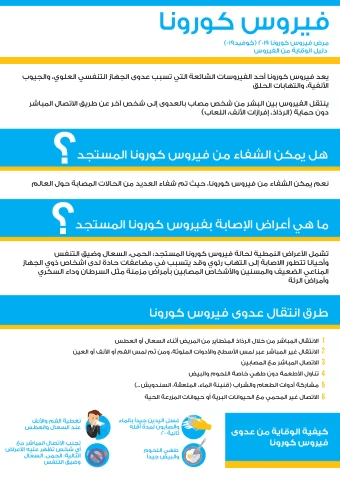
Coronaviruses are a large family of respiratory viruses that cause diseases ranging from the common cold to the more
severe diseases such as Severe Acute Respiratory Syndrome (SARS).
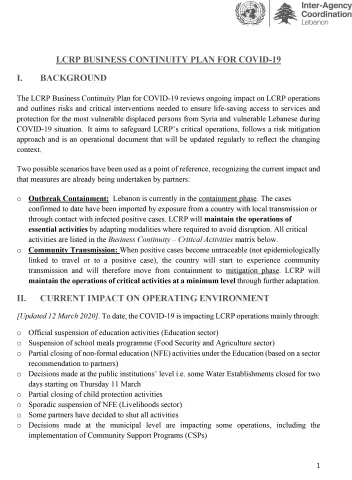
The LCRP Business Continuity Plan for COVID-19 reviews ongoing impact on LCRP operations and outlines risks and critical interventions needed to ensure life-saving access to services and protection for the most vulnerable displaced persons from Syria and vulnerable Lebanese during COVID-19 situation.
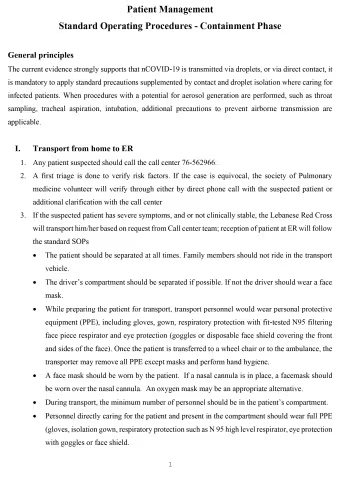
The current evidence strongly supports that nCOVID-19 is transmitted via droplets, or via direct contact, it
is mandatory to apply standard precautions supplemented by contact and droplet isolation where caring for
infected patients.
This document provides an update that aims to provide an operational snapshot for NGOs in a rapidly changing context. This also provides some suggestions around national level response planning from a field perspective.
يقدم هذا الكتاب، بالنص والصورة، شهادة صادقة عن الكارثة السورية.
في روايات الأمهات المتضمنة في الكتاب ينضح الألم من بين السطور. ومن صورهن تلمع بارقة الأمل بالسلام رغم الحزن المقيم.
ويأتي هذا الكتاب تتويجاً لمشروع استمر لأكثر من سنة قام خلاله عدد من أعضاء الرابطة وأصدقائها بلقاء عشرات الأمهات السوريات على اتساع رقعة تواجدهن في سورية، وفي مخيمات اللاجئين في لبنان، فجمعوا شهاداتهن عن مآسيهن وعذاباتهن خلال سنوات الجحيم الخمس الماضية. كما قاموا بتصوير الأمهات، إلا من اعتذرت عن ذلك لسبب أو آخر.
”أمهات سوريات“، شهادة عن الذاكرة الكليمة والأمل المتسامي على الموت.
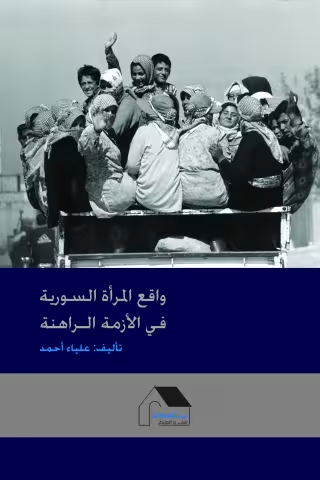
هل تغيّرت، أو تخلخلت، الصورة النمطية للمرأة في الواقع الراهن في سورية؟ هذا هو
السؤال المؤسس لهذه الدراسة التي تسعى فيها الباحثة لرصد تحولات المكانة الاجتماعية
للمرأة من خلال متابعتها لمدى المشاركة النسوية في الحياة العامة، في سورية.
تركز الباحثة على فترة الأزمة الحالية متسائلة «هل يمكن أن يشكل انخراط المرأة السورية
في الأزمة، موالاةً أو معارضة، معبراً إلى إنجاز بقية حقوقها... أم يزيد من معاناتها؟
“More than 60% of Syrian refugees households comprise a person with disabilities and 1/5 Syrian refugees has a disability in Lebanon and Jordan”, shows a large study conducted by Humanity & Inclusion (HI) and iMMAP.
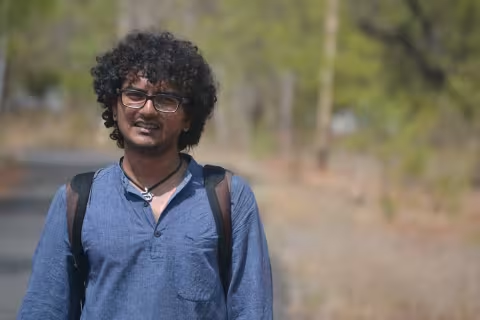
MOSAIC had the pleasure and privilege to speak with activist Gopi Shankar Madurai moments after the Supreme Court in India decriminalized Section 377 of the Penal Code.