
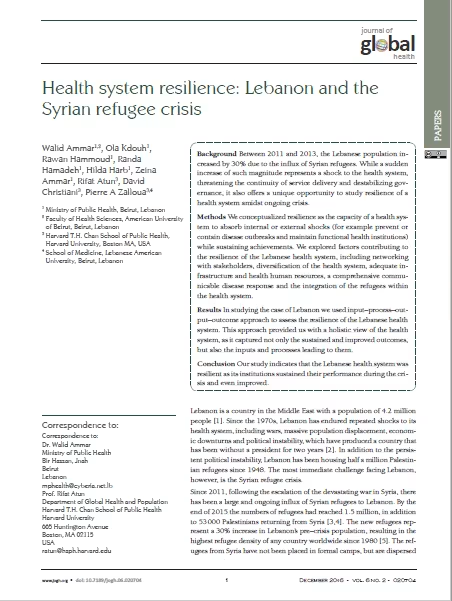
Between 2011 and 2013, the Lebanese population increased by 30% due to the influx of Syrian refugees. While a sudden increase of such magnitude represents a shock to the health system, threatening the continuity of service delivery and destabilizing governance, it also offers a unique opportunity to study resilience of a health system amidst ongoing crisis.
This article conceptualizes resilience as the capacity of a health system to absorb internal or external shocks while sustaining achievements. It explores factors contributing to the resilience of the Lebanese health system, including networking with stakeholders, diversification of the health system, adequate infrastructure and health human resources, a comprehensive communicable disease response and the integration of the refugees within the health system.
An input–process–output–outcome approach was used to assess the resilience of the Lebanese health system. This approach provides a holistic view of the health system, as it captures not only the sustained and improved outcomes, but also the inputs and processes leading to them. The study indicates that the Lebanese health system is resilient as its institutions were able to sustain their performance during the crisis and even improved.
Scope
National
Intervention Sectors
Health
Mental Health
Refugees
Organisation
Files
health-system-resilience_0.pdf
(1.67 ميغابايت)
Publishing Date
Countries
Lebanon
Resource Type
Article
Theme
Refugees
Health