
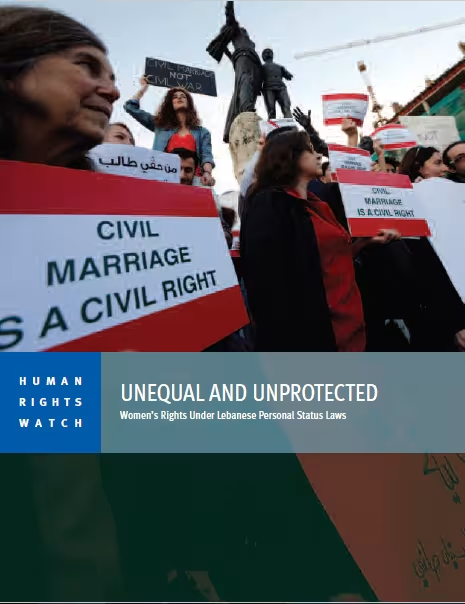
Lebanon does not have a civil code regulating personal status matters. Instead, there are 15 separate personal status laws for the country’s different recognized religious communities including twelve Christian, four Muslim, the Druze, and Jewish confessions, which are administered by separate religious courts. Religious authorities often promoted this judicial pluralism as being essential to protecting Lebanon’s religious diversity. In reality, the multiplicity of laws means that Lebanese citizens are treated differently when it comes to key aspects of their lives, including marriage, divorce, and custody of children.
This report focuses on one fundamental element of the problem with the current system of personal status laws: its discriminatory impact on women. This research—based on a review of all personal status laws in Lebanon, 447 recent legal judgments issued by the various religious courts, court sessions, and more than 70 interviews with women, lawyers, judges, social workers, and women’s rights activists—reveals a clear pattern of women from all sects being treated worse than men when it comes to accessing divorce and primary care for their children (“custody”).
Scope
National
Intervention Sectors
Gender issues
Law & Legal Affairs
Organisation
Files
lebanon0115_forupload_0.pdf
(653.06 كيلوبايت)
Publishing Date
Countries
Lebanon
Resource Type
Studies and Reports
Theme
Legal Issues
Gender