This report examines the nature of interaction and engagement between Lebanese citizens’ collectives and the state on gender-specific matters, through the case study of
The objective of the Civil Society Review is to bring civil society practitioners, experts, activists, and researchers together to develop knowledge, as well as to innovate new tools and practices so as to strengthen Lebanon’s civil society and its voice. The Civil Society Review produces evidence-based research and analysis and disseminates findings and recommendations to promote civic engagement, shape policies, and stimulate debate within civil society spheres in Lebanon.
This booklet comprises of the presentations and papers that were presented and discussed during the seminar that was held in Beirut in October 2015, titled “Regional Seminar on Child
Integrity’s research highlights that women’s networks and organisations in Syria are active across a range of service delivery sectors. In many cases these groups are either responding to gaps in services provided by other NGOs, civil society organisations (CSO), or other service delivery actors, or they are providing understanding and access to the specific needs of women and children beneficiaries that other groups cannot.
Women’s groups interviewed by Integrity are most active (62 per cent) in the education, skills training, and livelihoods sectors. These areas both help meet immediate...
This report constitutes the final publication of the outcomes of the program "Development in Lebanon: Poverty Eradication, Gender Equity and Youth Participation; the Role of NGOs Civil Society and Other Actors".
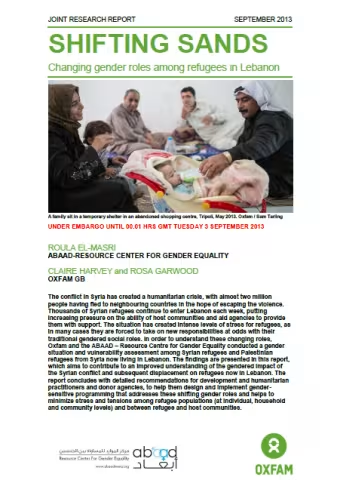
The conflict in Syria has created a humanitarian crisis, with almost two million people having fled to neighbouring countries in the hope of escaping the violence.
This thesis investigates transnational campaigns from the international and state level to consider the existence of transnational activism in Lebanon’s women’s movement.
In this Brochure you will find an introduction to the aid effectiveness process, key milestones through which the concept was developed, Main Principles that define the concept, Challenges that face the implementation of aid effectiveness, and a highlight on the context of the
Titled “Let The Resolution Begin…. Live Gender Equity”, this resource is the annual report of ABAAD Resource Center for Gender Equity, which lists the accomplishments of the organization for the period between June 2011 and June 2012.
This brochure presents a brief introduction to the Universal Periodic Review (UPR) process and introduces the different stages of possible engagement by civil society groups with the process.
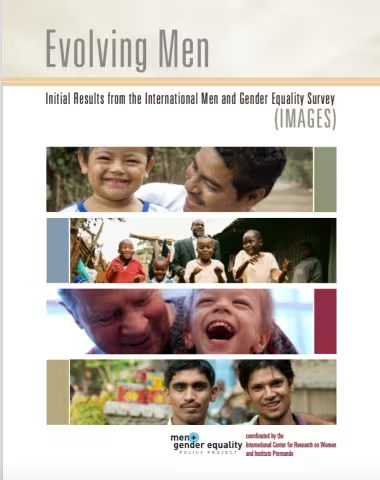
The International Men and Gender Equality Survey (IMAGES) is a comprehensive household questionnaire on men’s attitudes and practices – along with women’s opinions and reports of men’s practices – on a wide variety of topics related to gender equality.
This publication is a compilation of reports prepared by group of civil society organizations in light of the review of Lebanon under the first-cycle of Universal Periodic Review (2010).The booklet includes the report reviewing conditions of economic and social rights in Leban
هذه الدراسة تم انجازها عام 2010، من قبل عزّة شرارة بيضون، بدعم من منظمتي أوكسفام برطانيا(OXFAM) و كفى عنف و استغلال و بتمويل من UNTRUSTED FUND ضمن إطار مشروع "تطوير مقاربات و استراتيجيات العمل مع الرجال لمناهضة العنف المنزلي في الشرق الاوسط".
أنجزت الدكتورة فهميّة شرف الدين هذه الدراسة الميدانية التحليليّة، بالتعاون مع برنامج اللأمم المتحدة الإنمائي(مشروع حقوق المر أة اللبنانية وقانون الجنسية) واللجنة الاهلية لمتابعة قضايا المرأة، في 2009.
منذ أجل طويل والجدل قائم حول موضوع تعرّض حقوق المرأة - الزوجية منها بشكل خاص - للانتهاك، بحيث انقسم المجتمع الدولي إلى معسكرين: أحدهما يعترف بوجود التمايز والانتهاكات على حساب النساء، والثاني ينفيه.
تم اعداد هذا الدليل من قبل منظمة رصد العمل الدولي من أجل حقوق المرأة لمنطقة اسيا و المحيط الهادئ، بدعم من المفوضية الاوروبية، وأصدرته جمعية كفى عنف و استغلال في آب 2008. يأتي هذا الدليل ضمن مشروع اقليمي متكامل سيتم تنفيذه بين عامي 2009 و 2011 في لبنان وسوريا والاردن.
Using time-diary data from 25 countries, the authors demonstrate that there is a negative relationship between real GDP per capita and the female-male difference in total work time per day -- the sum of work for pay and work at home.