Research and Policy Memo #5 | June 2009
Carbon Trading: A Potential for Arab Countries to Abate Climate ChangeJad Chaaban,and Souheil Abboud
Carbon emissions trading provides a financial incentive for Arab countries to mitigate the effects of climate change, but they still need to reduce carbon emissions and follow the Kyoto Protocol in an international effort to fend off global warming.
This was the view from academia and the private sector on carbon trading as a climate change mitigation strategy for the Arab world, presented during a recent lecture at the American University of Beirut (AUB)...
Research and Policy Memo #5 | June 2009
Carbon Trading: A Potential for Arab Countries to Abate Climate ChangeJad Chaaban,and Souheil Abboud
Carbon emissions trading provides a financial incentive for Arab countries to mitigate the effects of climate change, but they still need to reduce carbon emissions and follow the Kyoto Protocol in an international effort to fend off global warming.
This was the view from academia and the private sector on carbon trading as a climate change mitigation strategy for the Arab world, presented during a recent lecture at the American University of Beirut (AUB)...
مذكرات للباحثين وصناع القرار #5 | حزيران 2009
تجارة الكربون: إمكانية أمام الدول العربية للحد من تغير المناخجاد شعبان
.يوفر الاتجار في انبعاثات الكربون حافزاً مالياً للدول العربية للتخفيف من آثار تغير المناخ، لكنها لا تزال بحاجة إلى خفض انبعاثات الكربون ومتابعة بروتوكول كيوتو في جهد دولي لدرء ظاهرة الاحتباس الحراري
.وكان هذا رأي الاوساط الاكادميية والقطاع الخاص حول تجارة الكربون كاستراتيجية للتخفيف من حدة تغير المناخ في العالم العربي الذي تم عرضه خلال محاضرة جرت مؤخرا في الجامعة الاميركية في بيروت
Research and Policy Memo #4 | May 2009
Water Mismanagement Responsible for High Levels of Saline and Chloride in Greater Beirut GroundwaterMark Saadeh
Intrusion in the coastal aquifers of Greater Beirut has largely been a direct consequence of decades of water mismanagement – exacerbated by a civil war lasting more than fifteen years, according to Dr Mark Saadeh, consultant to the Litani River Authority. Concurrent urban growth and repeated natural drought conditions have also amplified this phenomenon.
Dr. Saadeh presented two lectures at AUB, as part of the Research and Policy Forum on...
Research and Policy Memo #4 | May 2009
Water Mismanagement Responsible for High Levels of Saline and Chloride in Greater Beirut GroundwaterMark Saadeh
Intrusion in the coastal aquifers of Greater Beirut has largely been a direct consequence of decades of water mismanagement – exacerbated by a civil war lasting more than fifteen years, according to Dr Mark Saadeh, consultant to the Litani River Authority. Concurrent urban growth and repeated natural drought conditions have also amplified this phenomenon.
Dr. Saadeh presented two lectures at AUB, as part of the Research and Policy Forum on...
The “NGO Capacity Building Needs Assessment” on which this document reports, was executed by the NGO Resource and Support Unit, which acts within the Capacity Building for Poverty Reduction Project ‐ a joint project between the United Nations Development Program (UNDP) and the Lebanese Ministry of Social Affairs (MoSA) ‐ in partnership with The Canadian Fund for Social Development (CFSD) OXFAM‐Québec, and financed by the Canadian International Development Agency (CIDA). The assessment was implemented between November 2008 and March 2009. The assessment fits into the CFSD’s mission and...
Research and Policy Memo #3 | February 2009
Multi-Faceted Mitigation Can Reduce Risk of Complete Collapse of Arab World’s Water, Food, and Land SystemsGeorge J. Nasr
Shifts in trade and transport patterns due to global warming may cut off Arab countries from food and water, affecting them more than developed countries. This is only one of many urgent implications of climate change on food, water, and land in the Arab world - as outlined by George Nasr during a lecture at the American University of Beirut.
“Cross-border mobilization and immediate investment in research and development would...
هذا الكتيّب، من إعداد جمعية حلم نشر عام 2009، يعرض حقائق ووقائع لها علاقة بالهوية والميول الجنسية، وإنتهاكات حقوق الإنسان التي قد تستهدف أشخاص بسبب ميولهم أم هويتهم الجنسية.
في 21 كانون الثاني/يناير 2009 اعتمد المجلس التنفيذي لمنظمة الصحة العالمية القرار م ت124 ق 4 الذي طلب إلى المديرة العامة لمنظمة الصحة العالمية أن توفد بعثة صحية متخصصة إلى غزة للوقوف على الاحتياجات الصحية و الإنسانية العاجلة بعد 22 يوماً من العمليات العسكرية الإسرائلية التي بدأ
مذكرات للباحثين وصناع القرار #3 | كانون الثاني 2009
ضعف التعليم، والقيود الاجتماعية-الاقتصادية تهدد الشباب الفلسطيني في لبنان: مخيم برج البراجنة كحالة دراسيةجهاد مخولو يارا جارالله
إذا لم يتحسن مستوى التعليم المقدم للاجئين الفلسطينين، وبقيت القيود على التملك والتوظيف مفروضة عليهم كما هي، فإن المراهقين بينهم ممن هم اليوم في سن 13-19 عاماً سيلجأون إلى ما يلجأ إليه شباب في المخيم للتكيف ويعانون منه، مثل تعاطي الادوية والمخدرات، بحسب دراسة بحثية أجرتها د. جهاد مخول (دكتوراه في صحة العامة) ويارا جارالله (ماجستير) في مخيم برج البراجنة للاجئين الفلسطينين. واعتمدت الدراسة على مقابلات معمقة أجريت مع...
The starting point for the present Report is that, since the publication of the first volume in the series, the region’s human development fault lines have grown more complex, and in some cases deepened.
أنجزت الدكتورة فهميّة شرف الدين هذه الدراسة الميدانية التحليليّة، بالتعاون مع برنامج اللأمم المتحدة الإنمائي(مشروع حقوق المر أة اللبنانية وقانون الجنسية) واللجنة الاهلية لمتابعة قضايا المرأة، في 2009.
مذكرات للباحثين و صناع القرار#2 | كانون الثاني 2009
بإمكان القطاع العام أن يخفف من العوامل التي تسبب هجرة الشبابجاد شعبان
يفضل الشباب، ذكوراً وإناثاً، مغادرة لبنان بشكل مؤقت أو نهائي للعمل خارجاً ّ ، مما يقلص من الثروة البشرية والمجتمعية للبلد. وبما أن العوامل الخارجية التي تجذب الشباب للهجرة لا يمكن تغييرها، فإن الحمل يبقى على ّ كاهل المؤسسات الرسمية لتحد من العوامل الداخلية التي تدفع بالشباب للهجرة.
ويضيق الهرم السكاني في لبنان عند فئة الشباب من عمر 20-35، بحسب الباحث والخبير الاقتصادي جاد شعبان، المهتم أيضا بقضايا الشباب فيالعالم العربي.
كما أن معظم من يهاجرون من الشباب إلى أميركا...
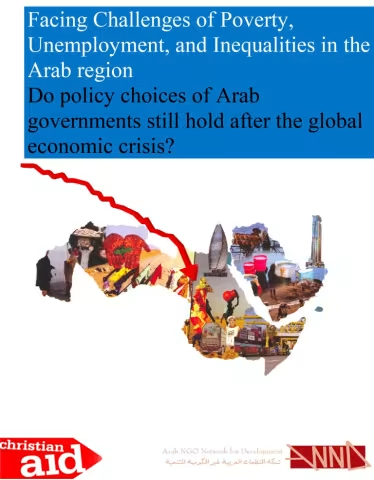
This paper was produced by ANND and Christian Aid and contains five main sections: “Executive Summary: a crisis of multiple dimensions; the threat of explosive vulnerabilities and increasing insecurities”, “Vulnerability to poverty: the key challenges faced by the Arab region”
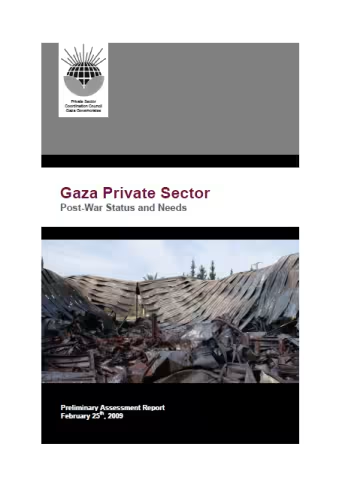
Israeli forces conducted a major combined military operation in the Gaza Strip for a period of 22 days (December 27, 2008 – January 18, 2009), where “Israeli forces used aerial bombing, tank shelling and armored bulldozers to eliminate the productive capacity of some of Gaza's
June 14, 2009 marks the second year of closure of the Gaza Strip for movement of both people and goods. The large majority of these movements are classified under the humanitarian functions with only limited quantities of exports mainly cash crops.
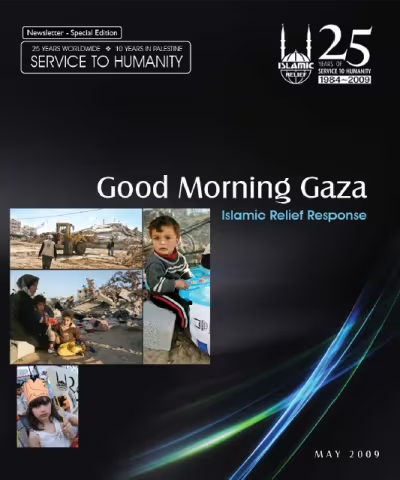
Months after the war, the Gaza Strip remains a disaster zone. Families are in despair, as hundresds of them had their homes totally destroyed and do not have proper shelter to endure Gaza's conditions.