يهدف هذا الكتيّب إلى رفع الوعي حول الصحة النفسية وتأثير الصدمات النفسية على الأطفال والأهل، وتسليط الضوء على أهمية الاعتراف بالألم النفسي والتعامل معه بطريقة إنسانية وآمنة. يقدّم الكتيّب شرحًا مبسّطًا لمفهوم الصدمة النفسية، وكيف يمكن أن تظهر عند الأطفال بطرق مختلفة، سواء من خلال السلوك أو المشاعر أو التفاعل الاجتماعي.
كما يركّز الكتيّب على دور الأهل في دعم أطفالهم نفسيًا بعد الأزمات والحروب، من خلال الاستماع، توفير الشعور بالأمان، واستعادة الروتين اليومي. ويعرض نماذج شائعة من الاضطرابات النفسية التي قد يمر بها الأطفال، مثل القلق، نوبات الهلع، والخوف الاجتماعي، بأسلوب توعوي غير طبي.
يتضمّن...
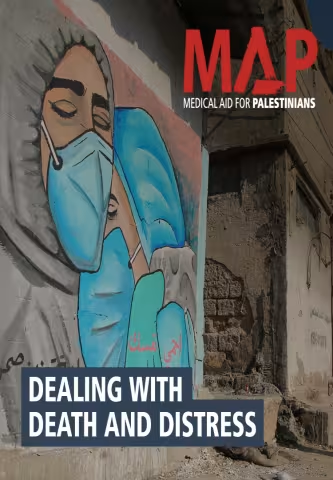
Based on interviews conducted with doctors, nurses and other frontline staff across West Bank, East Jerusalem and Gaza, the paper exposes how the stresses and strains of protracted COVID-19 response have compounded existing challenges of working in a health system already rendered fragile, fragmented and resource-deprived by perpetual occupation and blockade, to cause a deepening wellbeing crisis among the Palestinian healthcare workforce.
This briefing note summarizes key mental health and psychosocial support (MHPSS) considerations in relation to the
2019 novel coronavirus (COVID-19) outbreak. The brief was last updated February 2020.
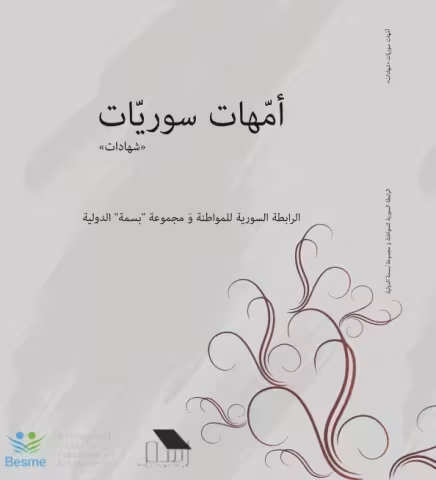
يقدم هذا الكتاب، بالنص والصورة، شهادة صادقة عن الكارثة السورية.
في روايات الأمهات المتضمنة في الكتاب ينضح الألم من بين السطور. ومن صورهن تلمع بارقة الأمل بالسلام رغم الحزن المقيم.
ويأتي هذا الكتاب تتويجاً لمشروع استمر لأكثر من سنة قام خلاله عدد من أعضاء الرابطة وأصدقائها بلقاء عشرات الأمهات السوريات على اتساع رقعة تواجدهن في سورية، وفي مخيمات اللاجئين في لبنان، فجمعوا شهاداتهن عن مآسيهن وعذاباتهن خلال سنوات الجحيم الخمس الماضية. كما قاموا بتصوير الأمهات، إلا من اعتذرت عن ذلك لسبب أو آخر.
”أمهات سوريات“، شهادة عن الذاكرة الكليمة والأمل المتسامي على الموت.
“More than 60% of Syrian refugees households comprise a person with disabilities and 1/5 Syrian refugees has a disability in Lebanon and Jordan”, shows a large study conducted by Humanity & Inclusion (HI) and iMMAP.
Analyzing the Impact on the Personal and Professional Development
of Young Participants at Erasmus Plus/Youth in Action/Euromed projects through “Chabibeh Sporting Club” From 2008 till 2017
The objective of the report is to identify the psychosocial impact and needs of humanitarian actors working with refugees in Syria, Lebanon, Jordan, Egypt, North Iraq and Palestine.
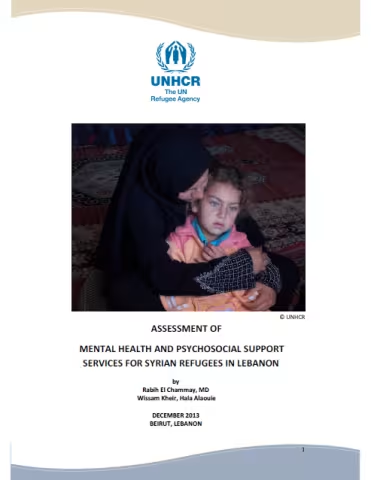
Syria's third year of civil war has caused a rapid acceleration in influx of the refugees to Lebanon with the intensification of clashes in recent months. In fall 2013 more than 2000 Syrian refugees are fleeing to Lebanon on daily basis. The mental health needs of Syrian refugees in Lebanon have not received thorough assessment. Information about the nature, the quality, and coverage of these services for the Syrian refugees is lacking.
Methodology
The Syrian refugee assessment for Mental Health and Psychosocial Support (MHPSS) took place in August and September 2013. The assessment had two...
The continuing unrest in Syria is resulting in a growing influx of Syrian refugees to Lebanon. The United Nations High Commissioner for Refugees has registered over 57,000 Syrian refugees in Lebanon (September 7, 2012) while many refugees are awaiting registration.
The purpose of the needs assessment conducted in the Bekaa area is to identify the needs of Syrian refugees (SR), in terms of food, non food items (NFIs), shelter, water and education.
Severe weather struck the country this week, affecting Syrian refugees sheltered in the mountain region of Bekaa. Heavy rains and snowfall have flooded some settlements, and a number of refugee families were forced to seek shelter elsewhere.
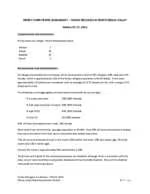
28 refugee households were surveyed, which represented a total of 501 refugees, 48% male and 52% female, which is approximately 11% of the Syrian refugee population in North Bekaa.
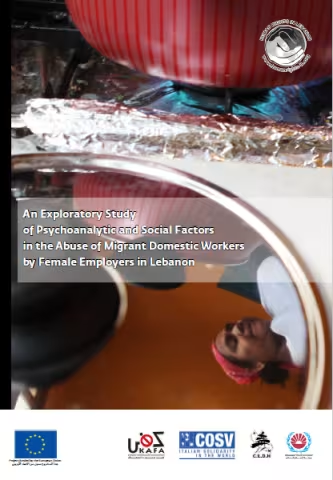
The brief of this qualitative exploratory study was to conduct targeted interviews with female employers of migrant domestic workers, psychiatrists, lawyers and institutional stakeholders in Lebanon.