The research will provide better understanding on the legislations and laws that authorities are using to control or oppress any movement or any type of activism on gender and sexuality issues in JORDAN.
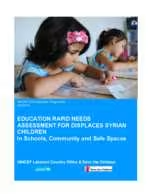
Since the unrest in Syria began in March 2011, the Bekaa Valley in Lebanon has hosted varying numbers of displaced Syrian families. Local actors such as municipalities and NGOs registered families for assistance received through regional and international donors.
This book tackles key Issues of concern within the aid discussion. It outlines issues of particular importance for civil society in the Arab region and highlights the difference of prospectives between government representatives and CSOs.
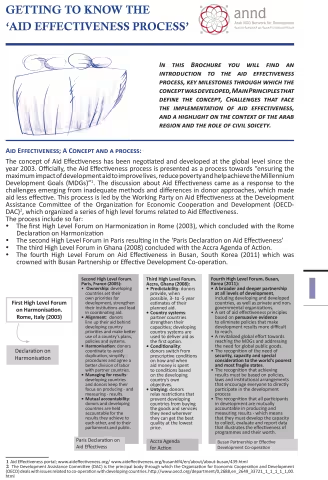
In this Brochure you will find an introduction to the aid effectiveness process, key milestones through which the concept was developed, Main Principles that define the concept, Challenges that face the implementation of aid effectiveness, and a highlight on the context of the
The human rights situation in the Syrian Arab Republic has deteriorated significantly since November 2011, causing further suffering to the Syrian people. Widespread violence and increasingly aggravated socio-economic conditions have left many communities in a perilous state.
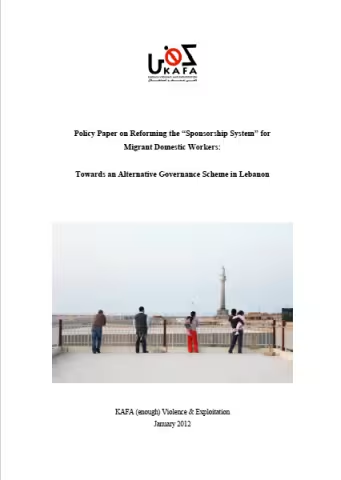
In recent years, the “sponsorship system” (kafala) in Lebanon and in other countries in the region has been identified as a core problem leading to the exploitation and abuse of migrant domestic workers.
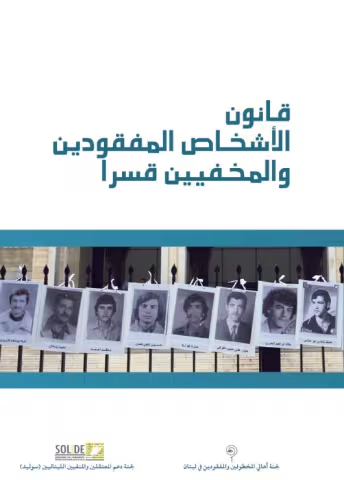
قانون الأشخاص المفقودين والمخفيين قسراًوضعت منظّمات المجتمع المدني، وعلى رأسها جمعيّّات الأهالي، مشروع قانون للأشخاص المفقودين والمخفيين قسرًا، بهدف اعتماده من قبل السلطات اللبنانيّة.
الأسباب الموجبةمع انتهاء الحرب (١٩٧٥ - ١٩٩٩) ، لم يتمكن لبنان من ايجاد حل مرض لضحايا الحرب وقضاياهم، وتحديدا لقضايا المفقودين والمخفيين قسرًا وذويهم.وحتّى الآن، لا زال أهالي الضحايا يناضلون في سبيل حقّهم بمعرفة ما جرى لهؤلاء الّذين أخذوا منهم، إن كانوا لا يزالون على قيد الحياة- وباسترداد رفاتهم إذا تبيّن أنّهم توفّوا، لكنهميناضلون أيضًا في سبيل حقّهم بالحصول على اعتراف مّمن نجوا من الحرب، أي الدولة...
This mission was undertaken from 19 March to 5 April 2012 to assess the shelter options for displaced Syrians in West and Middle Bakaa. The shelter needs must be evaluated with respect to the current situation.
Disability & Vulnerability Focal Point (DVFP) have been developed based on the observation that one of the greatest difficulties following a crisis is not only to identify and to access to vulnerable people including people with disabilities, but also to accompany them wit
This brochure presents a brief introduction to the Universal Periodic Review (UPR) process and introduces the different stages of possible engagement by civil society groups with the process.
The overall objective of the assessment was to identify emergency WASH needs and gaps of most vulnerable Syrian refugees and host families in five geographical areas, 4 collective centres and Bab al-Tebbaneh, Tripoli in North Lebanon.
This resource is a United Nations Relief and Works Agency for Palestine Refugees in the Near East (UNRWA) reference training manual for frontline staff on how to work with GBV survivors.
A one - day expert group meeting called for by the UN special rapporteur on VAW Ms. Rashida Manjoo was convened in the UNFPA New York headquarters on Wednesday October 12, 2011. Sixteen experts from different corners of the globe presented papers that portrayed the regional idiosyncrasies of manifestations, root causes and consequences of gender - motivated killings (femicide and feminicide). Besides papers that presented concepts and related conceptual challenges, the presentations covered selected countries from Africa, Latin America, the Middle East, South East Asia, Canada and Europe...
Working Paper Series #5 | July 2011
Europe’s Lopsided Foreign Policy: Israel, Lebanon and the PalestiniansStuart Reigeluth
Europe is in the process of creating a common foreign policy. This is a difficult task since, as a supra-national entity, the European Union must take into consideration the different interests of its 27 member states. These interests usually coincide more than they diverge and thus European member states contribute resources and personnel to new EU mechanisms for both external and internal conflict management and rule of law efforts. Externally, these efforts have...