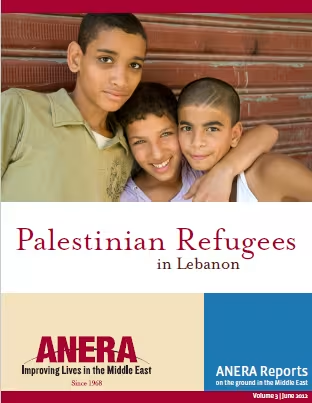
The list of challenges Palestinian refugee families living in Lebanon face is long and overwhelming. They live in overcrowded camps and have to deal with discrimination, isolation and social exclusion.
In recent years, the “sponsorship system” (kafala) in Lebanon and in other countries in the region has been identified as a core problem leading to the exploitation and abuse of migrant domestic workers.
The PDM consisted of conducting household surveys with beneficiaries who received Non-Food Items (NFIs in the form of hygiene kits) and food vouchers as part of WVL's Syrian refugee response in the Bekaa.
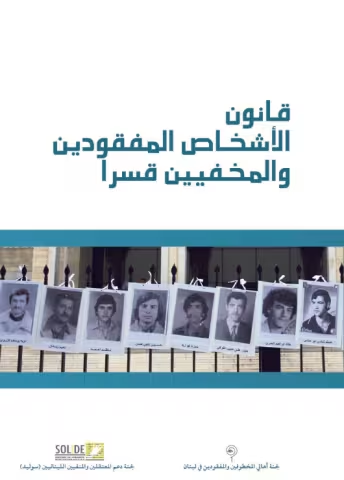
قانون الأشخاص المفقودين والمخفيين قسراًوضعت منظّمات المجتمع المدني، وعلى رأسها جمعيّّات الأهالي، مشروع قانون للأشخاص المفقودين والمخفيين قسرًا، بهدف اعتماده من قبل السلطات اللبنانيّة.
الأسباب الموجبةمع انتهاء الحرب (١٩٧٥ - ١٩٩٩) ، لم يتمكن لبنان من ايجاد حل مرض لضحايا الحرب وقضاياهم، وتحديدا لقضايا المفقودين والمخفيين قسرًا وذويهم.وحتّى الآن، لا زال أهالي الضحايا يناضلون في سبيل حقّهم بمعرفة ما جرى لهؤلاء الّذين أخذوا منهم، إن كانوا لا يزالون على قيد الحياة- وباسترداد رفاتهم إذا تبيّن أنّهم توفّوا، لكنهميناضلون أيضًا في سبيل حقّهم بالحصول على اعتراف مّمن نجوا من الحرب، أي الدولة...
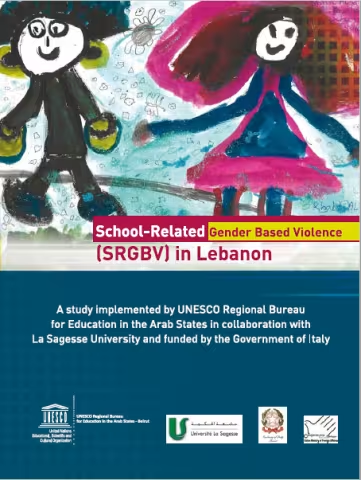
It is well known that the cultural norms and the patriarchal society in Lebanon contribute to encouraging discrimination and any form of violence against women and children.
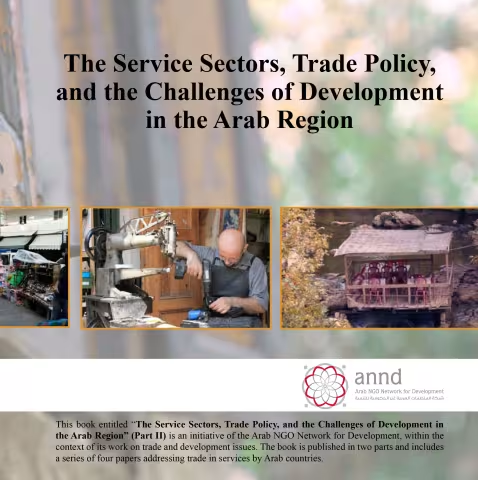
This book entitled “The Service Sectors, Trade Policy, and the Challenges of Development in the Arab Region” (Part II) is an initiative of the Arab NGO Network for Development, within the context of its work on trade and development issues.
This mission was undertaken from 19 March to 5 April 2012 to assess the shelter options for displaced Syrians in West and Middle Bakaa. The shelter needs must be evaluated with respect to the current situation.
This issue of SIF looks briefly at Education in Lebanon using key indicators and figures available from a number of surveys conducted by the Central Administration of Statistics (CAS) in Lebanon in recent years.
This issue of SIF looks briefly at the population and housing characteristics in Lebanon using key indicators and figures available from a number of surveys conducted by the Central Administration of Statistics (CAS) in Lebanon in recent years.
Disability & Vulnerability Focal Point (DVFP) have been developed based on the observation that one of the greatest difficulties following a crisis is not only to identify and to access to vulnerable people including people with disabilities, but also to accompany them wit
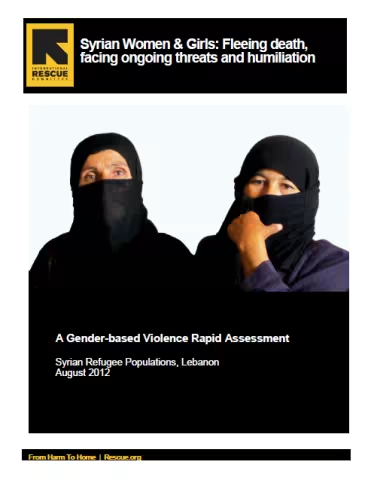
This Gender-based Violence Rapid Assessment conducted by International Rescue Committee in 2012 focuses on risks and violence faced by women and girls among the Syrian refugee population within Lebanon.
The Strategic Planning is based on the findings of fieldwork carried out in several villages in Dinnieh, which aimed at identifying the major characteristics of the region in different fields.
This joint programme between UNDP and UN Habitat aims at working at the national and local levels to improve dwellers' access to basic urban services in Palestinian Gatherings in Lebanon with particular attention to the Adjacent Areas of Palestinian Refugee Camps.
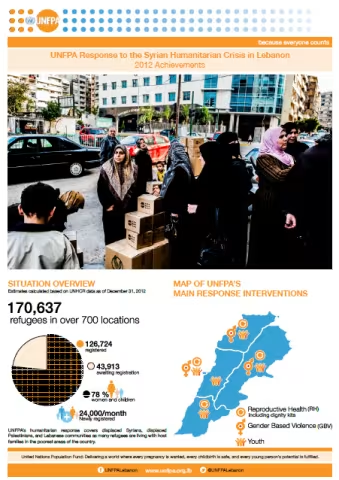
This document maps UNFPA - Lebanon's response interventions concerning Syrian refugees, detailing the assessment of the situation prior to their intervention and the impact of their response.
This brochure presents a brief introduction to the Universal Periodic Review (UPR) process and introduces the different stages of possible engagement by civil society groups with the process.
The overall objective of the assessment was to identify emergency WASH needs and gaps of most vulnerable Syrian refugees and host families in five geographical areas, 4 collective centres and Bab al-Tebbaneh, Tripoli in North Lebanon.
This resource is a United Nations Relief and Works Agency for Palestine Refugees in the Near East (UNRWA) reference training manual for frontline staff on how to work with GBV survivors.